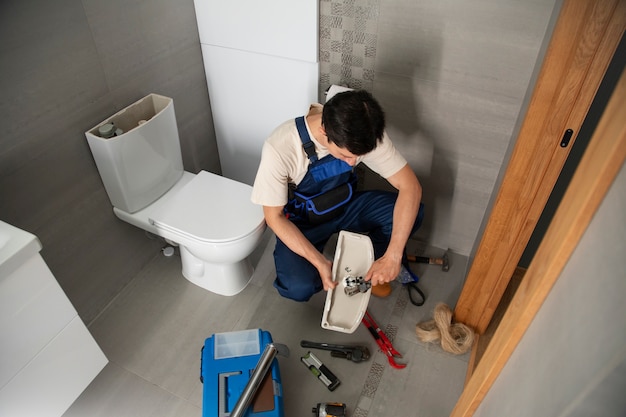
Enhancing the functionality and aesthetics of your bathroom can be as simple as installing a new toilet. Not only does this upgrade contribute to the overall look and feel of the space, but it also improves efficiency and hygiene. Whether you’re undergoing a full bathroom renovation or simply seeking to replace an outdated fixture, a new toilet installation is an excellent investment. This guide will delve into the benefits of upgrading your bathroom with a new toilet and provide insights into the installation process.
Benefits of Installing a New Toilet
Replacing an old or inefficient toilet with a modern design offers numerous advantages that go beyond just aesthetics. Here are some key benefits:
- Improved Water Efficiency: Modern toilets are designed to use significantly less water per flush, reducing water bills and contributing to environmental conservation.
- Enhanced Comfort: Newer models often feature advanced ergonomics and comfort designs, such as elongated bowls and adjustable seat heights.
- Advanced Technology: Many contemporary toilets come with features like dual flush options, self-cleaning capabilities, and bidet functions.
- Increased Property Value: An updated bathroom, with a new toilet, can enhance the overall value of a home, making it more attractive to potential buyers.
The Installation Process
Pre-Installation Considerations
Before installing a new toilet, several factors should be considered to ensure a smooth and successful process.
- Measurements: Take precise measurements of the existing toilet space to ensure the new toilet will fit perfectly.
- Plumbing Compatibility: Verify that the plumbing infrastructure supports the new model’s requirements, such as water pressure and supply line configurations.
- Local Regulations: Check if any local building codes or regulations pertain to toilet installations, as these may affect the choice of model or installation method.
For more detailed guidance and professional advice, discover expert strategies here.
Step-by-Step Installation Guide
Installing a new toilet involves several clear steps, ensuring that the fixture is both secure and functional.
- Turn off the Water Supply: Ensure the water supply to the toilet is completely shut off to prevent any leaks or water damage during installation.
- Remove the Old Toilet: Carefully disconnect and remove the old toilet. Properly dispose of it according to local waste management regulations.
- Prepare the Area: Clean and inspect the flange and surrounding area for any damage or wear. Replace the flange if necessary.
- Install the New Toilet: Position the new toilet over the flange and secure it in place. Ensure all bolts are tightened effectively to prevent movement.
- Connect the Water Supply: Reattach the water supply line and turn the water back on. Check for any leaks and make adjustments as needed.
To explore advanced guides and tips on toilet installation, explore advanced guides and tips.
Maintenance Tips for Your New Toilet
Once your new toilet is installed, proper maintenance is crucial for longevity and performance.
- Regular Cleaning: Use non-abrasive cleaners to maintain the surface and prevent staining.
- Inspect for Leaks: Periodically check for signs of leaks around the base and water supply connections.
- Monitor Water Usage: Keep an eye on water bills for any unexpected increases, indicating a potential leak.
For more information on maintaining your new installation, learn about our tailored solutions.
Conclusion
Upgrading your bathroom with a new toilet installation is a worthwhile investment that enhances both functionality and aesthetics. It offers numerous benefits, from improved water efficiency to increased comfort and property value. By following the installation guide and maintaining your new toilet diligently, you can enjoy the benefits for years to come. To find out more about this approach, find out more about this approach.
About the Author

