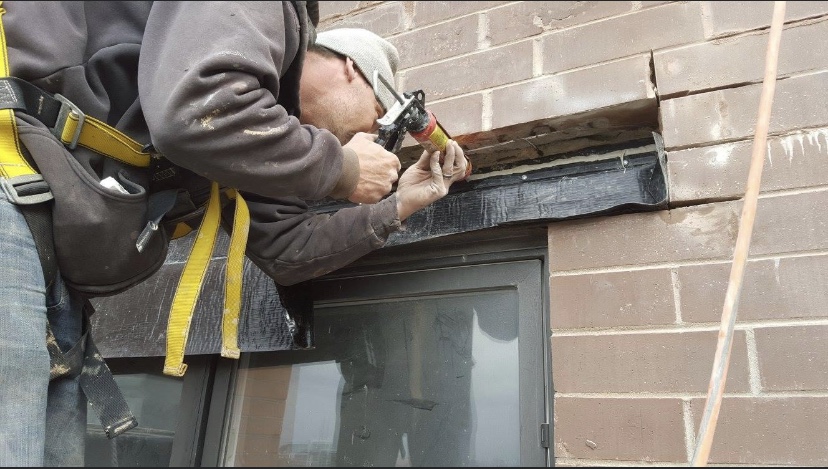
Lintel replacement may not top the list of home improvement priorities for many homeowners, but its significance in maintaining the structural integrity of a building cannot be overstated. A lintel, a structural support placed above windows and doors, plays a critical role in bearing loads from above, ensuring that walls remain stable and intact. Over time, lintels can deteriorate due to factors like moisture ingress, rust, or simply the passing of time. Understanding when and how to replace a lintel can prevent extensive and costly damage. This guide aims to equip homeowners with valuable insights into the process, costs, and considerations of lintel replacement.
Understanding Lintels and Their Importance
Lintels are typically made from materials such as steel, concrete, or timber. They support the weight of the wall or structure above an opening, distributing the load to the surrounding masonry. When a lintel fails, it can lead to severe structural issues, including:
- Cracking around windows or doors.
- Misaligned doors or windows.
- Potential collapse of the wall above the opening.
For comprehensive guides on maintaining and replacing lintels, explore advanced guides and tips.
Signs That Lintel Replacement Is Necessary
Recognizing the early signs of lintel failure is crucial for preventing more severe damage. Homeowners should look out for:
- Visible cracks in the masonry above windows or doors.
- Corrosion or rust stains around steel lintels.
- Gaps or separations between the lintel and the wall.
- Sagging or bowing lintels.
If any of these signs are evident, it is advisable to discover expert strategies here for addressing the issue effectively.
Steps Involved in Lintel Replacement
Assessment and Planning
The initial step involves a thorough assessment of the lintel’s condition by a professional. This evaluation will guide the planning process, determining the scope of work required.
Choosing the Right Material
Selecting the appropriate material for a new lintel is essential. Options include:
- Steel Lintels: Durable and strong, ideal for supporting heavy loads.
- Concrete Lintels: Cost-effective and versatile, suitable for various construction styles.
- Timber Lintels: Less common, mainly used in period properties.
To ensure the best material choice, learn about our tailored solutions.
Installation Process
Replacing a lintel typically involves removing the existing lintel, preparing the site, and installing the new lintel. This process requires precision and expertise to avoid further structural issues.
Cost Considerations
The cost of lintel replacement can vary based on factors such as the material chosen, the size of the lintel, and the complexity of the installation. Factors influencing cost include:
- The need for temporary supports during replacement.
- Access issues, particularly in older or multi-story buildings.
- Additional repairs needed for surrounding masonry.
For detailed insights into cost-effective solutions, find out more about this approach.
Conclusion
Lintel replacement is a critical task that ensures the safety and longevity of a home. By understanding the signs of lintel failure and the steps involved in replacement, homeowners can make informed decisions that protect their investment. Professional advice and services are recommended to ensure the job is completed safely and to a high standard. For further information and expert guidance, explore advanced guides and tips.
About the Author

