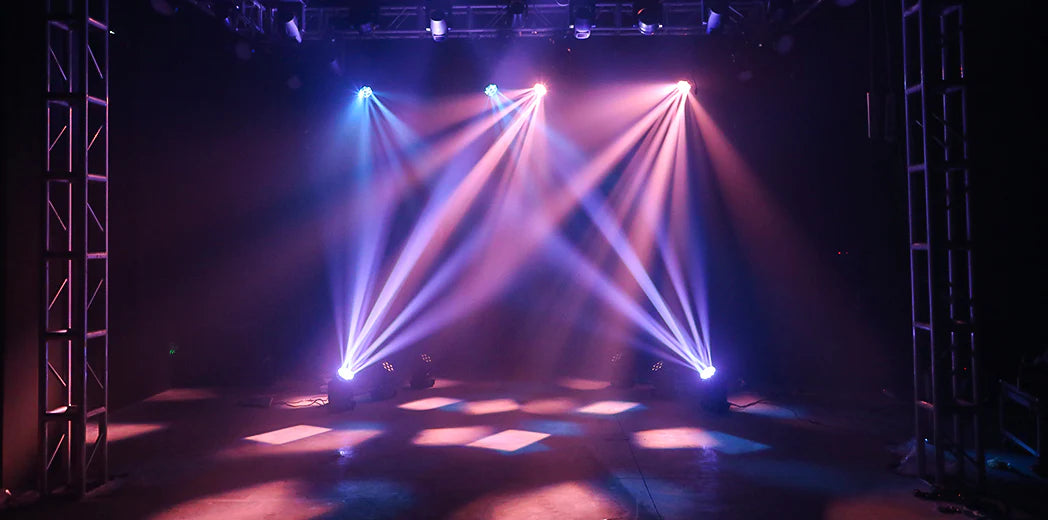
In recent years, LED lighting has revolutionized the way church stages are lit, bringing a new dimension of vibrancy, flexibility, and sustainability to worship environments. Transforming a church stage with LED lighting isn’t just about illumination; it’s about creating an atmosphere that enhances the worship experience, engages the congregation, and supports the various components of a service. This guide explores how LED lighting can be used effectively to transform church stages, the benefits it offers, and practical tips for implementation.
Understanding the Impact of LED Lighting
LED lighting offers numerous benefits that make it an ideal choice for church stage lighting. Its transformative power lies in its ability to adapt to different settings and moods, making it versatile for various church activities.
Benefits of LED Lighting
– **Energy Efficiency**: LED lights consume significantly less power compared to traditional lighting options, which can lead to substantial cost savings over time.
– **Long Lifespan**: Known for their durability, LEDs offer a long service life, reducing the frequency and cost of replacements.
– **Flexibility**: With the ability to change colors and intensities, LED lights provide creative options for setting different atmospheres during services.
– **Eco-Friendly**: Less energy consumption means a smaller carbon footprint, aligning with environmental stewardship values.
Designing a Dynamic Church Stage
When designing a church stage, the goal is often to create an environment that is both inspiring and functional. LED lights are particularly suited for this purpose due to their adaptability and impact.
Creating Atmosphere and Ambiance
– **Color Temperature**: Adjust the color temperature to match the mood of the service. Warmer tones can create a more intimate setting, while cooler tones can energize the congregation.
– **Dimming Capabilities**: Use dimming features to transition smoothly between different segments of a service such as sermons, worship, and prayer.
– **Highlighting Architecture**: Accentuate architectural features of the church with strategically placed LED lights, enhancing both aesthetics and focus.
Technical Considerations
– **Lighting Layout**: Plan the layout to ensure even coverage and eliminate shadows that could distract from the service.
– **Control Systems**: Invest in advanced control systems that allow for precise adjustments and automation of lighting sequences.
– **Integration with Existing Systems**: Ensure that new stage lighting solutions are compatible with existing audio-visual equipment for a seamless worship experience.
Implementing LED Lighting in Your Church
The successful implementation of LED lighting requires careful planning and consideration of both technical and aesthetic elements.
Steps to Implementation
1. **Assessment**: Begin with a thorough assessment of current lighting conditions and future needs.
2. **Budget Planning**: Consider the budget for initial installation and potential savings in energy costs.
3. **Professional Consultation**: Engage with lighting experts to design a system that meets the specific requirements of the church’s architecture and worship style.
4. **Pilot Testing**: Conduct a pilot test to evaluate the impact of the new lighting on the overall atmosphere and functionality.
5. **Training**: Provide training for staff to effectively use and maintain the stage lights.
Conclusion
Transforming a church stage with LED lighting goes beyond mere aesthetics; it is about enhancing the worship experience and creating a dynamic environment that supports the church’s mission. By understanding the benefits and implementation strategies, churches can make informed decisions about adopting led stage lighting solutions that are both innovative and sustainable. The transition to LED technology not only aligns with contemporary worship trends but also reflects a commitment to environmental stewardship and financial prudence.
About the Author

