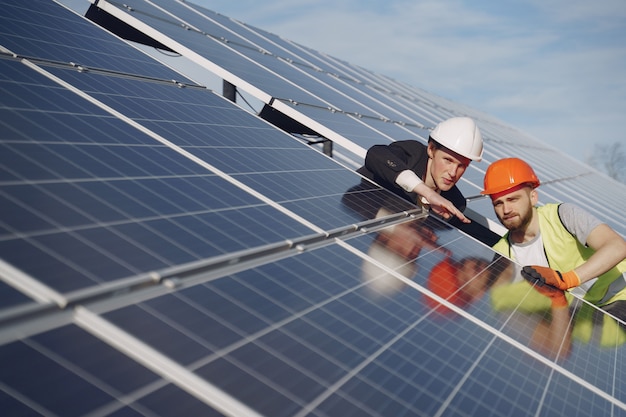
As the world increasingly turns towards renewable energy sources, solar power has emerged as a leading option for both residential and commercial use. Installing solar panels can significantly reduce energy bills and contribute to a cleaner environment. However, the installation process requires careful planning and execution to ensure maximum efficiency and longevity. This guide provides a comprehensive overview of solar panel installation, offering insights into essential steps, considerations, and best practices.
Planning Your Solar Panel Installation
Before embarking on the installation of solar panels, it is crucial to undertake a thorough site assessment and feasibility study. This involves evaluating the building’s orientation, roof condition, and local weather patterns. A professional assessment can provide valuable insights and help tailor the installation to specific needs.
Find out more about this approach.
Key Considerations
- Roof Orientation and Tilt: Ensure your roof is oriented towards the sun for optimal sunlight exposure.
- Structural Integrity: Verify that the roof can support the weight of the solar panels.
- Shading Analysis: Identify any potential obstructions such as trees or buildings that could cast shadows on the panels.
- Local Regulations: Check for any zoning laws or homeowner association rules that may affect the installation.
Choosing the Right Solar Panels
Selecting the right solar panels is vital for achieving efficient energy production. Considerations should include panel efficiency, warranty, and cost. Options range from monocrystalline and polycrystalline to thin-film solar panels. Each type has distinct advantages and is suited to different environments and budgetary constraints.
Explore advanced guides and tips.
Types of Solar Panels
- Monocrystalline: Known for high efficiency and longevity, ideal for limited space.
- Polycrystalline: More cost-effective, with slightly lower efficiency.
- Thin-Film: Flexible and lightweight, suitable for non-traditional installations.
Installation Process
A successful solar panel installation involves several critical steps, from mounting the panels to connecting the system to the electrical grid. Professional installation ensures compliance with industry standards and safety regulations.
Learn about our tailored solutions.
Installation Steps
- Mount Installation: Securely attach mounts to the roof to hold the panels.
- Panel Installation: Place the panels onto the mounts, ensuring proper alignment.
- Electrical Wiring: Connect the panels to an inverter to convert solar energy into usable electricity.
- System Testing: Conduct thorough testing to verify system performance and efficiency.
Maintenance and Optimization
Regular maintenance is essential for sustaining the performance of solar panels. This includes cleaning the panels, checking for any damage, and ensuring the electrical components are functioning correctly. Proactive maintenance can extend the lifespan of the installation and enhance its energy output.
Discover expert strategies here.
Maintenance Tips
- Routine Cleaning: Remove dirt and debris to maintain optimal efficiency.
- Inspection: Regularly inspect panels and mounts for any signs of wear or damage.
- Monitoring: Utilize monitoring systems to track energy production and identify issues promptly.
By following this guide, individuals and businesses can navigate the complexities of solar panel installation with confidence. The transition to solar energy not only offers financial benefits but also supports a sustainable future. For those interested in further resources, strategies, and personalized solutions, explore advanced guides and tips.
About the Author

