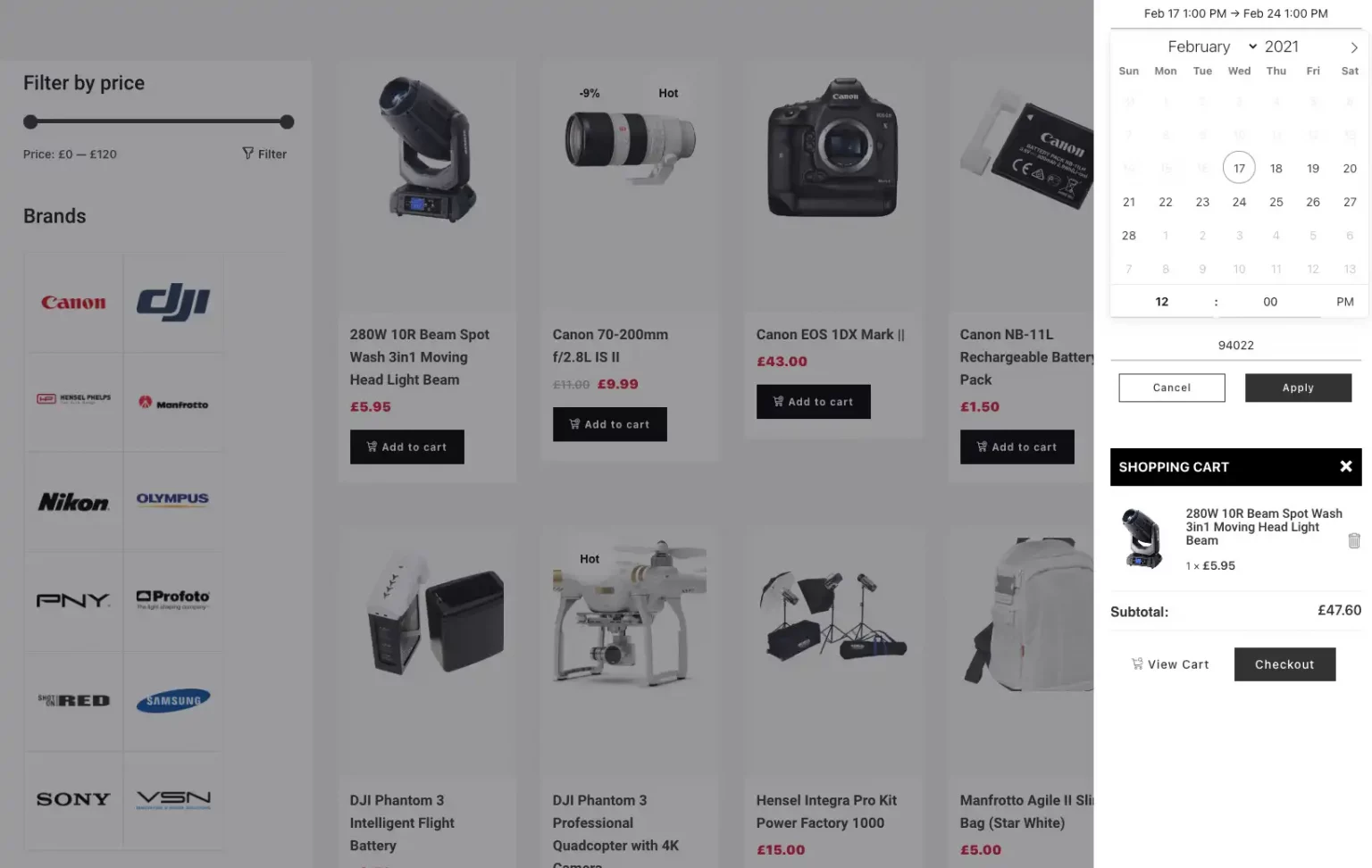
In the fast-paced world of audio-visual services, maintaining an efficient and strategic approach to inventory management can significantly boost productivity. As businesses scale and the demand for high-quality AV solutions increases, the ability to manage equipment effectively becomes a critical component of successful operations. By leveraging technology and adopting best practices, companies can ensure they meet client needs while minimizing downtime and maximizing resource utilization.
Understanding the Importance of AV Equipment Inventory Management
Effective AV equipment inventory management is integral to streamlining operations and enhancing service delivery. With a well-organized inventory system, businesses can:
- Ensure timely availability of equipment for projects and events.
- Reduce the likelihood of overbooking or underutilizing resources.
- Minimize losses due to misplacement or damage.
- Enhance customer satisfaction by meeting deadlines and expectations.
By implementing strategic inventory management practices, companies can not only improve their operational efficiency but also gain a competitive edge in the market. Discover expert strategies here.
Key Strategies for Effective Inventory Management
1. Implementing Advanced Inventory Software
One of the most effective ways to manage AV equipment inventory is by utilizing advanced software solutions. These platforms provide real-time visibility into inventory levels, track equipment usage, and generate insightful analytics. Learn about our tailored solutions to streamline your inventory processes and enhance decision-making capabilities.
2. Regular Equipment Audits and Maintenance
Conducting regular audits and maintenance checks is crucial for ensuring the operational efficiency of AV equipment. By establishing a routine schedule for inspections, businesses can:
- Identify and address equipment issues before they escalate.
- Ensure all equipment is in optimal working condition.
- Prolong the lifespan of valuable assets.
Regular audits also help in maintaining accurate inventory records, which are essential for planning and forecasting. Explore advanced guides and tips.
3. Training Staff on Inventory Management Best Practices
Equipping staff with the knowledge and skills to manage inventory effectively is vital. Comprehensive training programs can help employees understand the importance of inventory management and familiarize them with the tools and software used in the process. Key areas of focus should include:
- Proper handling and storage of AV equipment.
- Efficient use of inventory management software.
- Recognizing and reporting equipment maintenance needs.
Through training, staff can contribute to a more organized and efficient inventory management system, reducing errors and enhancing productivity. Find out more about this approach.
Leveraging Technology for Inventory Optimization
Technology plays a pivotal role in optimizing inventory management processes. By integrating cutting-edge solutions, businesses can automate many aspects of inventory management, allowing for:
- Real-time tracking and monitoring of equipment.
- Automated alerts for low stock levels or maintenance needs.
- Data-driven insights for better decision-making.
These technological advancements not only save time and resources but also ensure that businesses can respond swiftly to changing demands. Explore advanced guides and tips.
Conclusion
In conclusion, strategic AV equipment inventory management is a cornerstone of productivity and success in the audio-visual industry. By adopting advanced software solutions, conducting regular audits, and training staff, businesses can ensure they remain competitive and meet client needs efficiently. As the industry continues to evolve, those who prioritize effective inventory management will undoubtedly lead the charge towards enhanced service delivery and business growth.
About the Author




