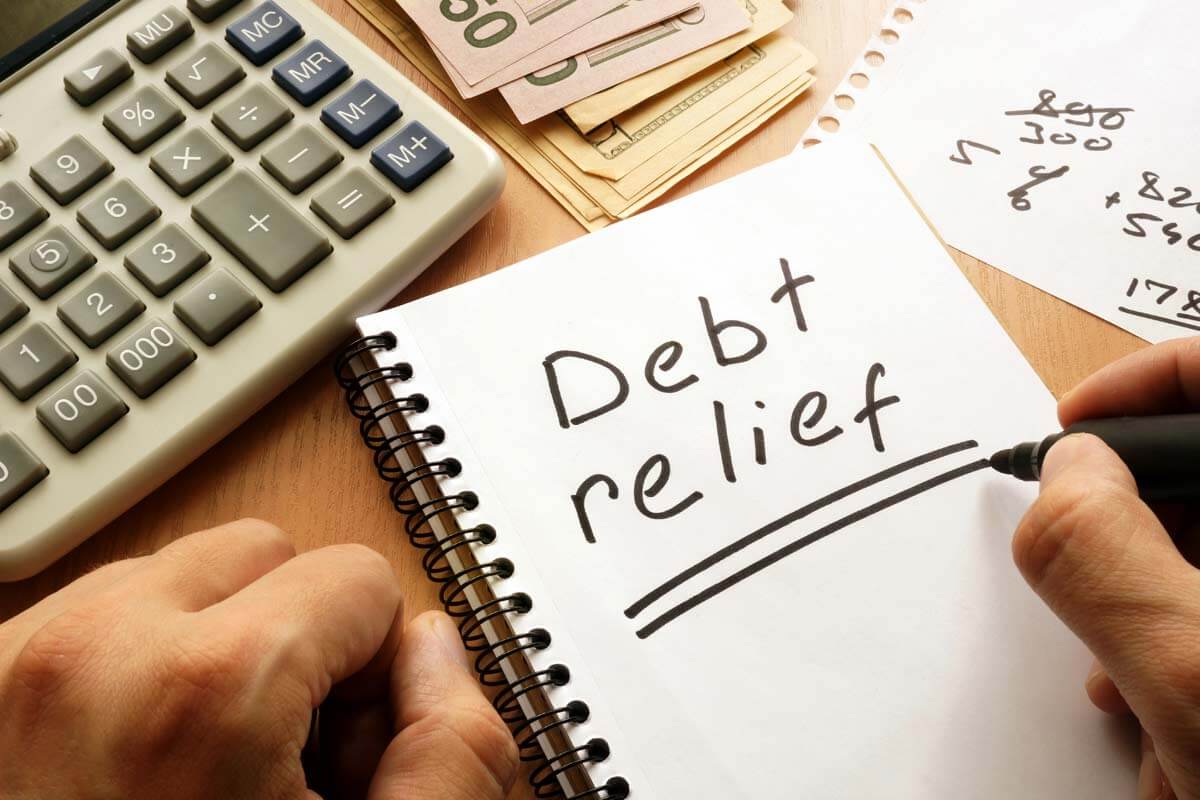
Managing finances can often feel like an overwhelming task, especially when dealing with multiple debts. High interest rates, varying payment schedules, and financial stress can make it difficult to stay on top of everything. Fortunately, debt consolidation programs offer a pathway to simplify your financial obligations, potentially reducing the burden and helping you regain control of your financial future. Understanding how these programs work and their benefits can empower you to make informed decisions about your financial health.
What is Debt Consolidation?
Debt consolidation is a financial strategy that involves combining multiple debts into a single payment. This approach is designed to streamline debt management and can be particularly beneficial for those struggling with multiple high-interest loans. By consolidating debts, individuals may take advantage of lower interest rates, reduced monthly payments, and a more manageable payment schedule. For more detailed information, consider exploring debt consolidation programs that provide tailored solutions based on individual needs.
Benefits of Debt Consolidation Programs
Streamlined Payments
One of the primary advantages of debt consolidation is the transition from multiple payments to a single monthly payment. This simplification can significantly reduce the likelihood of missed payments and late fees, easing the overall financial burden.
Lower Interest Rates
Many debt consolidation programs offer lower interest rates than those of credit cards and personal loans. By reducing the interest rate, individuals may save money over time and pay off their debts faster.
Improved Credit Score
Consistently meeting the terms of a debt consolidation program can have a positive impact on your credit score. On-time payments contribute positively to credit history, and a consolidated loan may improve the credit utilization ratio over time.
Key Considerations When Choosing a Debt Consolidation Program
When exploring debt consolidation options, it is crucial to assess various factors to choose the most appropriate program for your situation. Here are some key considerations:
- Interest Rates: Compare the interest rates offered by different consolidation programs to find the most cost-effective option.
- Fees: Be aware of any upfront fees, service fees, or penalties associated with the program.
- Repayment Terms: Evaluate the length of repayment terms to ensure they align with your financial goals.
- Reputation: Research the reputation of the service provider offering the consolidation program.
Steps to Take Before Consolidating Debt
Before committing to a debt consolidation program, it is essential to take certain preparatory steps:
- Review Your Financial Situation: Assess your current financial status, including income, expenses, and existing debts.
- Understand Your Debt: Compile a comprehensive list of all debts, including interest rates and remaining balances.
- Set a Budget: Create a realistic budget to understand what you can afford in terms of monthly payments.
- Seek Professional Advice: Consider consulting a financial advisor to evaluate whether debt consolidation is the right choice for you.
Conclusion
Debt consolidation programs can provide a strategic solution for managing debt efficiently, potentially leading to financial relief and peace of mind. By consolidating debts into a single, manageable payment, individuals can benefit from lower interest rates, streamlined payments, and an improved credit score. It is essential to carefully evaluate all available options and consider seeking professional guidance to determine the best course of action for your unique financial situation. For those interested in exploring this path, more information on debt consolidation programs is readily available to guide you through the process.
About the Author


