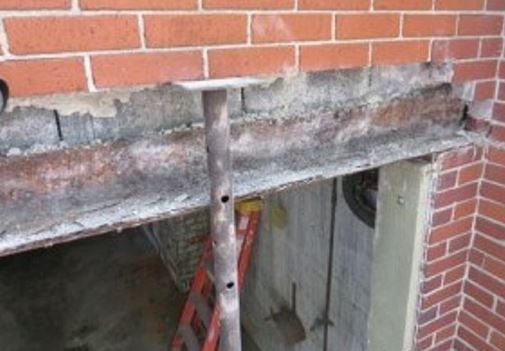
The structural integrity of buildings is critical for ensuring safety and longevity. One often overlooked but vital component in maintaining this integrity is the timely replacement of wall ties. Wall ties play a crucial role in binding the inner and outer walls, maintaining stability, and preventing structural failure. Over time, these ties can corrode or become compromised, necessitating replacement to avoid significant safety hazards. Understanding the importance of timely wall tie replacement can be essential for property owners, builders, and maintenance professionals aiming to uphold building safety standards.
The Role of Wall Ties in Building Safety
Wall ties are small metal elements embedded in the wall cavity and connected to both the inner and outer walls. Their primary purpose is to:
- Ensure the stability of masonry walls by holding them together.
- Prevent the separation of wall layers, which can lead to collapse.
- Distribute loads evenly across the structure, enhancing durability.
The degradation of these ties can lead to serious structural issues, making regular inspections and timely replacements essential. Discover expert strategies here for maintaining wall tie integrity.
Reasons for Wall Tie Replacement
Corrosion and Material Deterioration
One of the primary reasons for wall tie failure is corrosion, especially in older buildings where ties were made of materials more prone to rust. Factors contributing to corrosion include:
- Exposure to moisture and environmental elements.
- Use of inferior materials in the original construction.
- Inadequate protective coatings on ties.
Corroded ties can expand, leading to cracking in the masonry and eventual structural failure. Learn about our tailored solutions for dealing with corroded wall ties effectively.
Changes in Building Regulations
With advancements in building technology and materials, regulations are continuously updated to ensure safety. Older constructions may not meet current standards, necessitating the replacement of wall ties to comply with updated codes. Explore advanced guides and tips on aligning with the latest building regulations.
The Consequences of Ignoring Wall Tie Replacement
Neglecting wall tie replacement can lead to severe consequences, including:
- Structural Damage: Unreplaced ties can lead to wall instability and eventual collapse.
- Increased Repair Costs: Delaying replacement can result in more extensive and expensive repairs later.
- Safety Hazards: Compromised wall ties pose a risk to occupants and can lead to accidents.
Timely replacement not only prevents these issues but also extends the life of the building, ensuring safety and peace of mind. Find out more about this approach to preventing costly damage.
Steps for Effective Wall Tie Replacement
Inspection and Assessment
Regular inspections are crucial for identifying compromised ties. Professional assessments can determine the extent of corrosion or damage and whether replacement is necessary.
Selecting Appropriate Replacement Materials
Choosing the right materials for replacement is essential. Modern wall ties are made from corrosion-resistant materials that significantly enhance longevity and performance. Consulting with experts can help in selecting the most suitable options for specific building needs.
Professional Installation
Proper installation by skilled professionals ensures that wall ties perform their intended function effectively. This involves precise placement and adherence to safety standards, which is vital for maintaining structural integrity.
Understanding the importance of timely wall tie replacement is essential for maintaining building safety and structural integrity. For more detailed guidance and tailored solutions, explore advanced guides and tips.
About the Author


