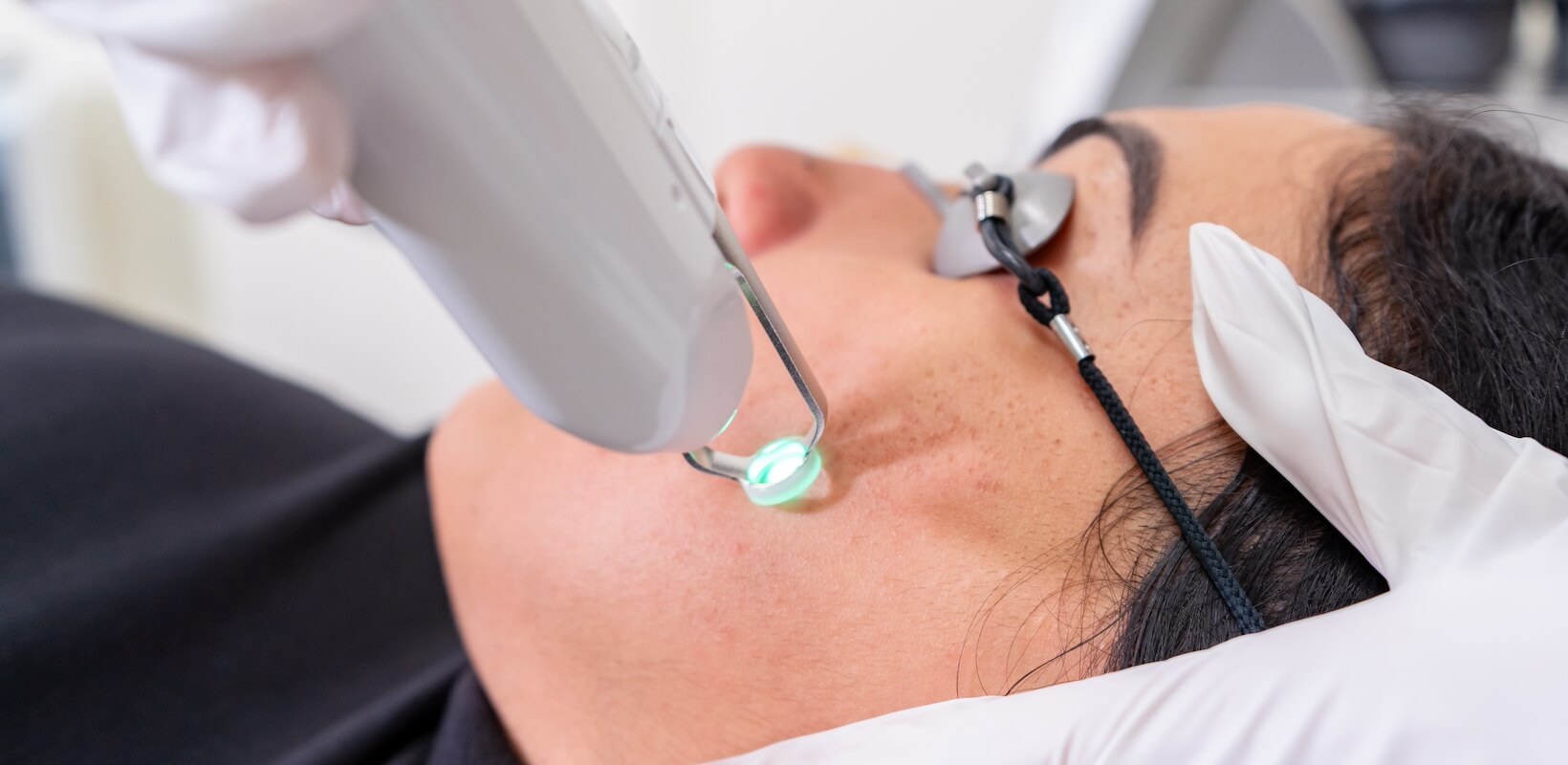
Acne is a common skin condition that affects millions of individuals worldwide, often leading to physical discomfort and emotional distress. Traditional treatment methods, such as topical creams and oral medications, have been the primary recourse for those seeking relief. However, advancements in dermatological science have introduced laser technology as a promising alternative for active acne treatment. This article delves into the science behind laser active acne treatment, highlighting its mechanisms, benefits, and considerations for those considering this innovative approach.
Understanding Laser Technology in Acne Treatment
Laser technology in acne treatment utilizes concentrated beams of light to target acne-causing bacteria and reduce inflammation. This method is particularly effective for individuals seeking a less invasive alternative to conventional treatments.
Mechanism of Action
The effectiveness of Laser Active Acne Treatment is grounded in its ability to penetrate the skin’s surface and reach deeper layers without causing damage to surrounding tissues. The primary mechanisms include:
- Targeting Sebaceous Glands: Laser therapy targets overactive sebaceous glands, reducing the production of excess sebum, a key contributor to acne formation.
- Destroying Acne-causing Bacteria: Specific wavelengths of laser light can effectively kill acne-causing bacteria, such as Propionibacterium acnes, reducing the incidence of acne flare-ups.
- Stimulating Collagen Production: The heat generated by laser treatment can stimulate collagen production, improving skin texture and reducing the appearance of acne scars.
Benefits of Laser Active Acne Treatment
Laser active acne treatment offers several advantages over traditional methods, making it an appealing option for many individuals.
- Non-invasive Procedure: Laser treatment is non-surgical, requiring no incisions or downtime, allowing individuals to resume daily activities immediately.
- Precision and Control: The treatment provides precise targeting of affected areas, minimizing the risk of damage to healthy skin.
- Long-lasting Results: With consistent sessions, laser therapy can offer long-term relief from acne and significantly improve the skin’s overall appearance.
Considerations and Potential Side Effects
While laser active acne treatment is generally safe, there are important considerations to bear in mind before proceeding with this treatment option.
Pre-treatment Consultation
A thorough consultation with a certified dermatologist is crucial to assess the suitability of laser treatment based on individual skin type and acne severity.
Possible Side Effects
As with any medical procedure, laser treatment may have potential side effects, although they are typically mild and temporary:
- Redness and Swelling: Some patients may experience temporary redness and swelling in the treated areas.
- Skin Sensitivity: Increased sensitivity to sunlight is possible, necessitating the use of sunscreen to prevent sun damage.
- Discomfort or Pain: Mild discomfort or a tingling sensation during the procedure is common, but usually subsides shortly after treatment.
Conclusion
Laser active acne treatment represents a significant advancement in the management of acne, offering a scientifically validated approach with numerous benefits. Its ability to target the root causes of acne with precision and induce positive changes in skin health makes it a compelling option for those seeking effective and long-lasting results. It is essential, however, for individuals to consult with experienced professionals to ensure the treatment is tailored to their specific needs and to discuss any potential risks or side effects. As the field of dermatology continues to evolve, laser technology remains at the forefront, promising brighter and clearer skin for many.
About the Author


