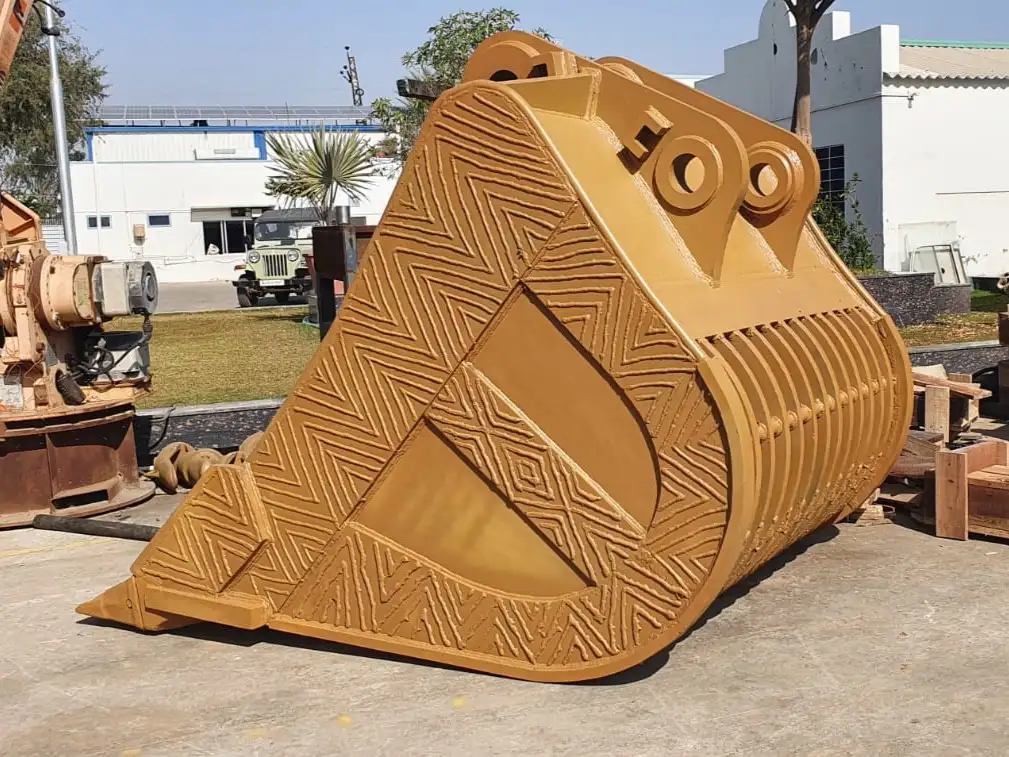
Excavation projects demand precision, efficiency, and reliability. Whether you’re working on a small landscaping job or a large construction site, the equipment you choose can significantly impact the outcome of your work. A crucial component of any excavator is its bucket. Selecting the right bucket can enhance productivity, reduce operational costs, and ensure the safety of the operation. This article explores the factors that contribute to improved efficiency when using a quality bucket for excavator.
Understanding the Importance of Excavator Buckets
Excavator buckets are more than just attachments; they are vital tools that directly affect the machine’s performance. A well-suited bucket can optimize digging and loading activities, minimize fuel consumption, and extend the lifespan of the excavator. Here are some key aspects that highlight the importance of choosing the right bucket:
- **Versatility and Adaptability**: Excavator buckets are designed to handle a variety of materials, from loose soil to rocky terrain. The right bucket can adapt to different job requirements, making it a versatile tool on any site.
- **Material Quality**: The durability of an excavator bucket depends on the materials used in its construction. High-quality steel and reinforced edges contribute to longer life and reduced maintenance costs.
- **Bucket Design**: The design of the bucket, including its shape and size, impacts how efficiently it can scoop and move materials. An optimized design ensures better penetration and loading efficiency.
Factors to Consider When Choosing a Bucket
Project Requirements
Each excavation project has unique demands. Understanding these requirements allows for the selection of a bucket that can meet specific challenges. Considerations include:
- **Type of Material**: Identify whether the project involves soil, clay, gravel, or rocks. Different materials require specialized bucket designs for optimal handling.
- **Volume and Capacity**: Evaluate the volume of material to be moved and select a bucket with adequate capacity to handle the load efficiently.
- **Precision and Control**: For tasks requiring precision, such as trenching or grading, choose a bucket that offers better control and accuracy.
Technical Features
Beyond basic design, the technical features of a bucket contribute significantly to its performance. Here are some factors to assess:
- **Attachment System**: Ensure compatibility with the excavator’s attachment mechanism. Quick coupler systems can improve efficiency by allowing faster bucket changes.
- **Cutting Edge Design**: A sharp, reinforced cutting edge allows for better material penetration and reduced wear.
- **Wear Protection**: Look for buckets with additional wear strips or bolt-on side cutters to extend their service life.
Maximizing Efficiency with Regular Maintenance
Once the right bucket is in use, maintaining its condition is crucial for sustained efficiency. Regular maintenance not only prolongs the bucket’s life but also ensures optimal performance. Key maintenance practices include:
- **Regular Inspections**: Conduct routine checks for any signs of wear or damage. Addressing minor issues early can prevent costly repairs.
- **Cleaning and Lubrication**: Keep the bucket clean and lubricate moving parts to ensure smooth operation.
- **Proper Storage**: When not in use, store the bucket in a dry, sheltered area to prevent rust and degradation.
Conclusion
Investing in a high-quality bucket for excavator can significantly enhance the efficiency and cost-effectiveness of excavation projects. By carefully considering project requirements, technical features, and maintenance practices, excavators can optimize their performance and achieve better results. A well-chosen bucket not only boosts productivity but also contributes to the overall safety and success of any excavation task.
About the Author


