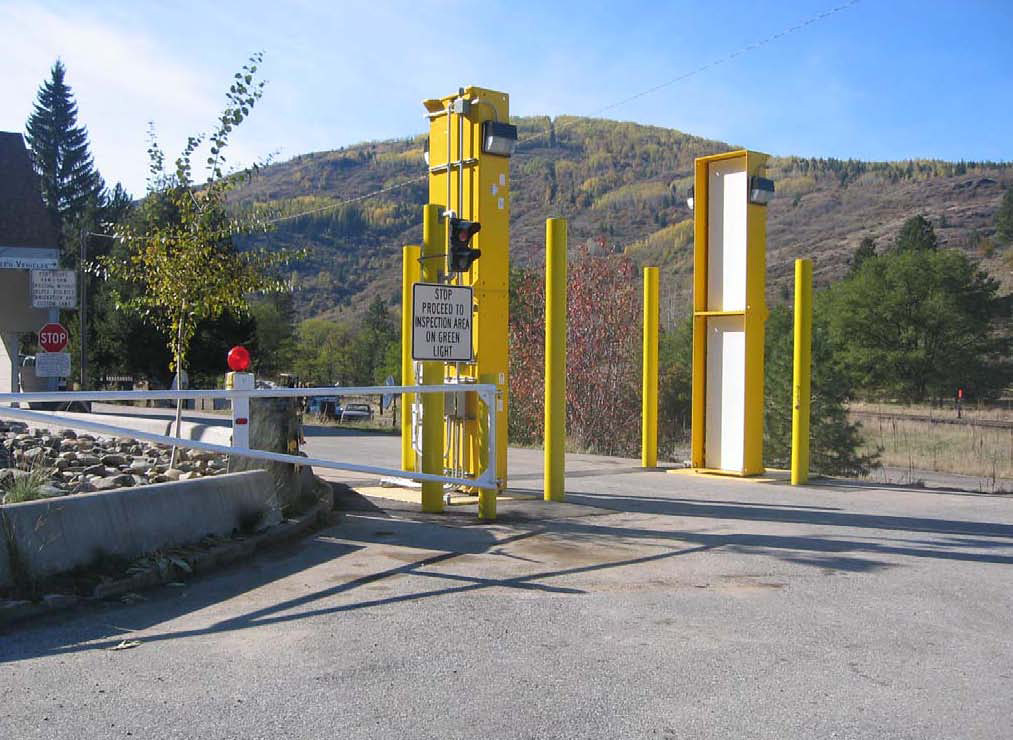
In an increasingly interconnected world, ensuring public safety is paramount. A significant aspect of this is the detection and prevention of radiological threats. Radiation Portal Monitors (RPMs) play a crucial role in safeguarding nations against these invisible dangers. These sophisticated devices are designed to detect the illicit movement of radioactive materials at borders, ports, and other critical checkpoints. Their importance cannot be overstated, as they serve as the first line of defense in preventing the unauthorized transport of potentially dangerous radioactive substances. Understanding the relevance of RPMs in maintaining public safety is essential for policymakers, security agencies, and the general public alike.
How Radiation Portal Monitors Work
Radiation Portal Monitors are complex systems equipped with advanced technology to detect gamma and neutron radiation. These monitors are typically installed at strategic points such as border crossings, seaports, and airports. When a vehicle or cargo passes through an RPM, the system evaluates the levels of radiation emitted.
- Gamma radiation detection is crucial as it can penetrate materials and is often associated with radioactive isotopes.
- Neutron radiation detection is vital due to its association with special nuclear materials such as plutonium and uranium.
- RPMs use sensitive detectors and sophisticated algorithms to quickly identify any radiation levels that deviate from the norm.
To gain a deeper understanding of the technology and its application, discover expert strategies here.
The Role of RPMs in National Security
The primary objective of installing Radiation Portal Monitors is to enhance national security by preventing the entry and exit of unauthorized radioactive materials. This is particularly important in the context of:
- Counter-terrorism: RPMs act as a deterrent against the smuggling of nuclear weapons and radioactive substances that could be used in dirty bombs.
- Environmental safety: By preventing the illicit movement of radioactive waste, RPMs protect ecosystems from contamination.
- Public health: Reduced exposure to radiation safeguards the health of populations living near border checkpoints and ports.
For more information on how these monitors contribute to security, learn about our tailored solutions.
Challenges in Implementing Radiation Portal Monitors
While the benefits of RPMs are significant, their implementation is not without challenges. Some of these include:
- False alarms: Non-threatening materials can sometimes trigger alerts, necessitating secondary inspections that consume time and resources.
- Cost: The deployment and maintenance of RPMs can be expensive, requiring significant investment from governments and private sectors.
- Technical limitations: Certain types of shielding can reduce the effectiveness of radiation detection, posing a risk of undetected threats.
To address these challenges, ongoing research and development are crucial. Explore advanced guides and tips to understand how innovations in technology are overcoming these hurdles.
Conclusion: The Future of Radiation Monitoring
The importance of Radiation Portal Monitors in maintaining public safety is undeniable. As threats evolve, so too must the technology and strategies used to counter them. Continuous advancements in RPM technology are essential to enhance their accuracy, reduce false positives, and manage operational costs. Collaborative efforts between nations, technology providers, and security agencies are vital to ensure the widespread and effective use of these critical devices.
To stay updated on the latest advancements in radiation monitoring, find out more about this approach and its impact on global safety.
About the Author


