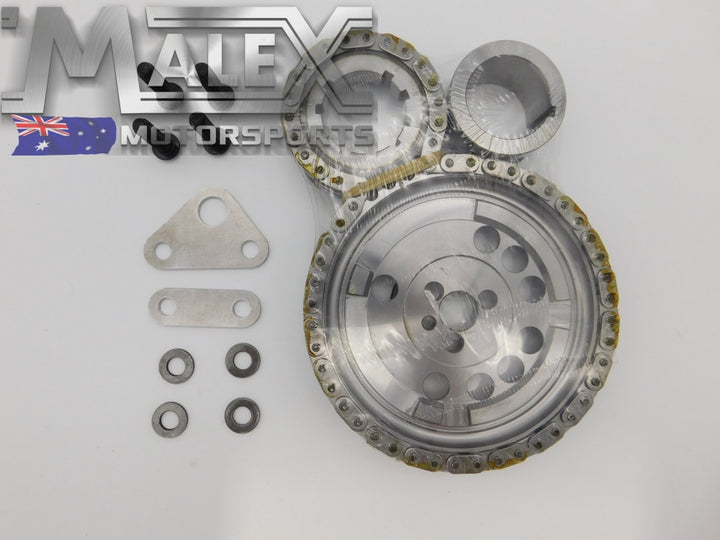
The LS engine, a powerhouse revered by car enthusiasts and professionals alike, is renowned for its robustness and adaptability. However, even the most powerful engines require fine-tuning and enhancements to achieve peak performance. Understanding the nuances of boosting LS performance is crucial for maintaining optimal engine function and extending the life of the engine. This article delves into effective strategies to enhance the performance of LS engines, ensuring they deliver power and efficiency without compromise.
Understanding LS Engine Basics
Before delving into performance enhancements, it’s vital to comprehend the foundational aspects of LS engines:
- LS engines are known for their lightweight design, providing a high power-to-weight ratio.
- They feature a deep-skirted block for increased rigidity and strength.
- LS engines are versatile, supporting a range of modifications and upgrades.
Key Areas for Performance Enhancement
1. Air Intake Systems
Improving the air intake system is one of the simplest ways to enhance an engine’s performance. A high-performance air intake allows more air to reach the engine, increasing power output. Consider upgrading to a cold air intake system, which can help increase the engine’s horsepower by allowing cooler, denser air to enter the engine.
2. Exhaust System Upgrades
An efficient exhaust system is crucial for optimal engine performance. Upgrading to a high-flow exhaust system reduces back pressure and allows the engine to breathe better, leading to improvements in horsepower and torque. Consider the following:
- Performance headers to improve the scavenging effect.
- High-flow catalytic converters for reduced emissions without sacrificing performance.
- Performance mufflers to enhance exhaust flow and sound.
3. Tuning and ECU Upgrades
Modern engines heavily rely on electronic control units (ECUs) to manage engine functions. Tuning the ECU or upgrading it can significantly improve engine performance by optimizing fuel maps and ignition timing. This process, known as remapping, can unleash hidden power reserves by adjusting factory settings to match performance modifications.
4. Forced Induction Systems
Adding a forced induction system, such as a turbocharger or supercharger, can dramatically increase engine power. These systems force more air into the engine’s cylinders, allowing for more fuel to be burned and thus increasing power output. It’s essential to ensure that the engine can handle the increased pressures to avoid potential damage.
Maintenance for Sustained Performance
Regular maintenance is vital to ensure sustained performance and longevity of the LS engine. Key maintenance tasks include:
- Regular oil changes to reduce friction and wear.
- Inspecting and replacing spark plugs to maintain efficient combustion.
- Checking and maintaining proper coolant levels to prevent overheating.
- Ensuring the air filter is clean to allow optimal air flow into the engine.
Conclusion
Enhancing LS engine performance is a multifaceted process that requires understanding the engine’s capabilities and limitations. Through strategic upgrades and regular maintenance, it’s possible to achieve significant improvements in power, efficiency, and longevity. By carefully selecting modifications that complement each other, enthusiasts and professionals can unlock the full potential of their LS engines, ensuring that they perform optimally under various conditions.
About the Author