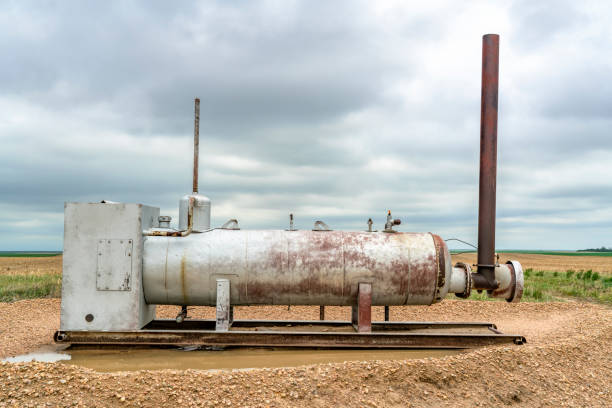
Soil vapor extraction (SVE) is a widely used remediation technique for the removal of volatile contaminants from the subsurface. This process is particularly effective for sites contaminated with petroleum hydrocarbons and volatile organic compounds (VOCs). Understanding the costs associated with soil vapor extraction is crucial for stakeholders involved in environmental remediation projects. The cost of SVE can be influenced by several factors, including the complexity of the site, the type of contaminants, and the duration of the cleanup. This article provides a comprehensive overview of the costs involved in soil vapor extraction, helping stakeholders make informed decisions.
Factors Influencing Soil Vapor Extraction Costs
The cost of implementing a soil vapor extraction system can vary significantly based on several key factors:
- Site Complexity: The geological and hydrological characteristics of the site can greatly influence the cost. Complex sites with heterogeneous soil conditions may require more sophisticated systems and longer operation times.
- Contaminant Type and Concentration: The nature and concentration of contaminants present in the soil impact the design and operation of the SVE system. Higher concentrations of contaminants generally lead to increased costs.
- System Design: The design of the SVE system, including the number of extraction wells and the type of equipment used, will affect the overall cost. Customized systems may incur higher initial installation expenses.
- Duration of Operation: The time required to achieve remediation goals can vary, affecting operational costs. Longer projects will naturally incur higher expenses.
- Regulatory Requirements: Compliance with local and federal regulations can also influence costs, as additional monitoring or reporting may be necessary.
Cost Breakdown
Understanding the cost components of a soil vapor extraction project can provide clarity on where resources are allocated. Below is a general breakdown of the costs involved:
Initial Setup and Design
The initial phase of a soil vapor extraction project involves significant planning and system design. This includes site assessments and soil vapor testing to identify the extent and type of contamination. Costs for this phase typically include:
- Site investigation and characterization
- Design and engineering of the SVE system
- Installation of extraction wells and associated equipment
Operational Costs
Once the system is operational, ongoing costs are incurred. These costs can include:
- Energy consumption for system operation
- Maintenance and repairs of equipment
- Monitoring and reporting to ensure compliance with regulatory standards
Decommissioning and Post-Remediation
After the remediation goals are met, the system must be properly decommissioned. This involves:
- Removal of equipment and wells
- Site restoration and landscaping
- Post-remediation monitoring to ensure the site remains uncontaminated
Cost Variations and Considerations
Several considerations can cause variations in the cost of a soil vapor extraction project. For instance, projects in urban areas might face higher costs due to logistical challenges and higher labor rates. Conversely, soil vapor extraction cost in rural or less developed areas might be lower due to fewer regulatory hurdles and lower operational expenses.
Moreover, integrating innovative technologies can influence cost efficiency. Advanced monitoring systems and automation can reduce labor costs and improve the precision of remediation efforts, potentially leading to cost savings over the project’s lifespan.
Conclusion
Soil vapor extraction remains an essential method for remediating contaminated sites. While the initial investment and operational costs can be significant, understanding these costs is critical for successful project planning and execution. By considering factors such as site complexity, contaminant characteristics, and regulatory requirements, stakeholders can better anticipate the expenses involved in soil vapor extraction remediation. Careful planning and the adoption of efficient technologies can further optimize costs, ensuring both environmental and financial goals are met.
About the Author


