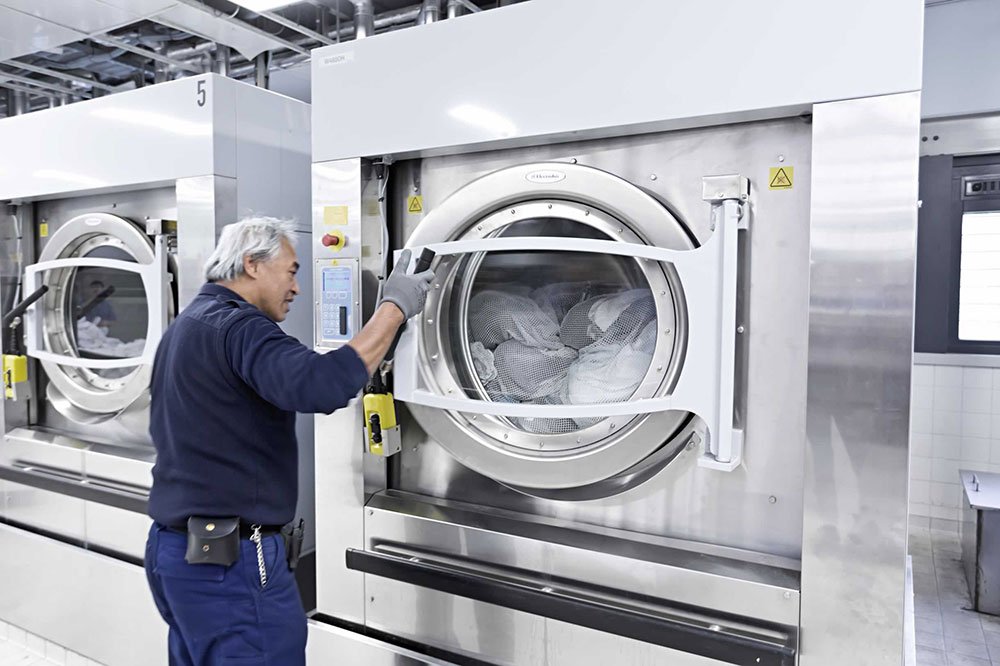
In the healthcare industry, maintaining impeccable hygiene standards is non-negotiable, and hospital laundry services play a crucial role in ensuring this. Choosing the right laundry equipment for a hospital facility is a strategic decision that impacts operational efficiency, cost management, and service quality. With the myriad of options available, it is essential to understand the key factors that contribute to an informed purchase decision. This guide explores the critical considerations when selecting hospital laundry equipment to ensure that healthcare facilities run smoothly and effectively.
Understanding Facility Needs
Before diving into the specifics of laundry equipment, it is imperative to assess the particular needs of the healthcare facility. This involves:
- Evaluating the volume of laundry processed daily to determine the required capacity.
- Understanding the types of fabrics handled, which can range from bed linens to delicate patient garments.
- Considering space limitations within the facility to ensure proper equipment placement.
Tailoring the equipment choice to these needs ensures operational efficiency and longevity. Learn about our tailored solutions to address specific facility requirements.
Key Features of Hospital Laundry Equipment
Capacity and Efficiency
The capacity of laundry equipment is paramount in meeting the demands of a busy hospital environment. High-capacity machines reduce the number of loads, saving time and energy. Equally important is energy efficiency, which not only reduces operational costs but also aligns with sustainability goals. Find out more about this approach to balancing capacity and efficiency.
Durability and Reliability
Hospital laundry equipment is subject to rigorous use, making durability a crucial factor. Investing in robust machines minimizes downtime and maintenance costs, ensuring continuous service. Reliability also extends to consistent washing quality, which is vital in maintaining hygiene standards.
Advanced Technology
Modern laundry equipment is equipped with advanced technologies that enhance performance. Features such as automated detergent dispensers, programmable wash cycles, and smart diagnostics can significantly improve operational efficiency. Explore advanced guides and tips on incorporating smart technology into laundry operations.
Cost Considerations
While the initial investment is a significant factor, ongoing operational costs must also be evaluated. This includes energy consumption, maintenance expenses, and the cost of consumables such as detergents. Opting for energy-efficient models can lead to substantial savings in the long run.
Additionally, refurbished appliances offer a cost-effective alternative without compromising on quality. Discover expert strategies here for integrating refurbished solutions into hospital laundry operations.
Compliance and Safety
Healthcare facilities must adhere to strict regulatory standards to ensure safety and compliance. Laundry equipment should meet these standards, including infection control protocols. Machines with built-in sanitation cycles and barrier washers are particularly beneficial in preventing cross-contamination.
Vendor Selection and Support
Choosing the right vendor is as critical as selecting the equipment itself. Partnering with a reputable supplier ensures access to quality products, comprehensive warranties, and reliable after-sales support. It is advisable to consider vendors with a proven track record in the healthcare sector.
Effective vendor partnerships can provide ongoing support and equipment upgrades, ensuring the laundry facility remains at the cutting edge of technology and efficiency. Learn about our tailored solutions to vendor selection and support strategies.
In conclusion, selecting the best hospital laundry equipment involves careful consideration of various factors, from capacity and technology to cost and compliance. By understanding the unique needs of the facility and leveraging expert insights, healthcare providers can make informed decisions that enhance operational efficiency and maintain the highest hygiene standards.
About the Author

