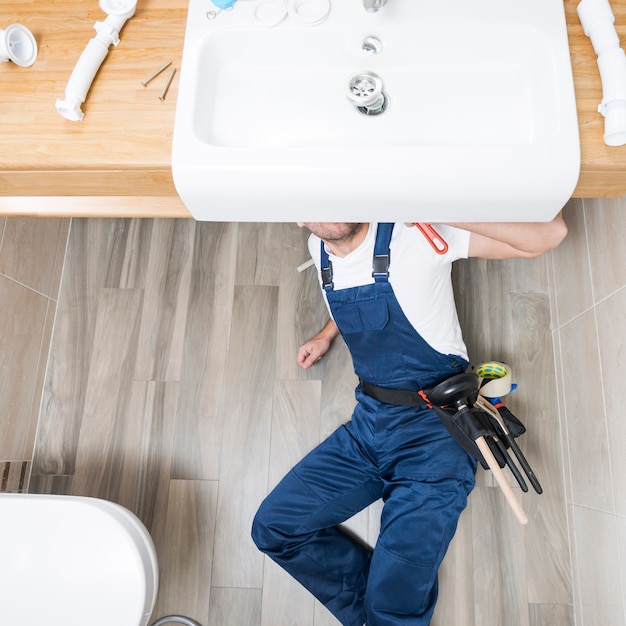
Imagine stepping out of your shower onto a warm, inviting surface, where the chill of traditional tiles is replaced by soothing warmth. Heated bathroom floors are the epitome of luxury, transforming everyday routines into indulgent experiences. This modern convenience not only adds comfort but also enhances the value of your home. Installing these floors, however, requires professional expertise to ensure optimal performance and longevity. Understanding the process and benefits of expert heated bathroom floor installation can help homeowners make informed decisions about upgrading their spaces.
The Benefits of Heated Bathroom Floors
Heated bathroom floors offer numerous advantages beyond their obvious comfort. Here are some noteworthy benefits:
- Energy Efficiency: Heated floors use radiant heat, which is more efficient than traditional heating methods. This system warms the room from the floor up, ensuring even heat distribution.
- Improved Air Quality: Unlike forced air systems, radiant heating does not circulate dust or allergens, promoting healthier indoor air quality.
- Space Saving: By eliminating the need for radiators or vents, heated floors provide more usable space within the bathroom.
- Increased Property Value: As a desirable luxury feature, heated floors can significantly enhance the resale value of a home.
To understand how these benefits translate into real-world scenarios, discover expert strategies here.
Choosing the Right System
Electric vs. Hydronic Systems
Two primary types of heated floor systems exist: electric and hydronic. Understanding the differences can guide homeowners in choosing the best option for their needs.
- Electric Systems: These systems use electric cables or mats installed under the flooring. They are ideal for smaller areas like bathrooms due to their straightforward installation and lower upfront costs.
- Hydronic Systems: Utilizing a network of tubes to circulate hot water, hydronic systems are more suitable for larger areas. While installation is more complex and costly, they offer greater efficiency for extensive spaces.
For a deeper dive into these systems, learn about our tailored solutions.
The Installation Process
Professional installation of heated bathroom floors ensures safe, efficient, and durable results. Here?s an overview of the typical installation process:
- Assessment and Planning: The first step involves assessing the space, evaluating existing flooring, and planning the layout for optimal heating coverage.
- Subfloor Preparation: Proper preparation of the subfloor is critical. This may involve leveling, cleaning, and insulating to support the heating system.
- System Installation: Electric cables or hydronic tubing is carefully installed based on the chosen system, followed by rigorous testing to ensure functionality.
- Flooring Installation: The final step is installing the flooring material, which could be tiles, stone, or other compatible surfaces, over the heating system.
To explore advanced guides and tips on the installation process, explore advanced guides and tips.
Maintenance and Care
Maintaining heated bathroom floors is relatively straightforward but essential for extending their lifespan. Here are some simple maintenance tips:
- Regular Inspections: Periodically check the system for any signs of wear or damage, especially before peak usage seasons.
- Professional Servicing: Schedule professional maintenance to ensure the system remains in optimal condition. This includes checking connections and controls.
- Avoid Overloading: Be mindful not to overload the electrical circuits if the system is electric-based, as this can affect performance.
Find out more about this approach to maintaining your heated floors here.
Heated bathroom floors represent a fusion of comfort, efficiency, and luxury, making them a worthwhile investment for any homeowner. By choosing expert installation and employing diligent maintenance practices, one can enjoy the benefits of warm, welcoming floors for many years to come.
About the Author

