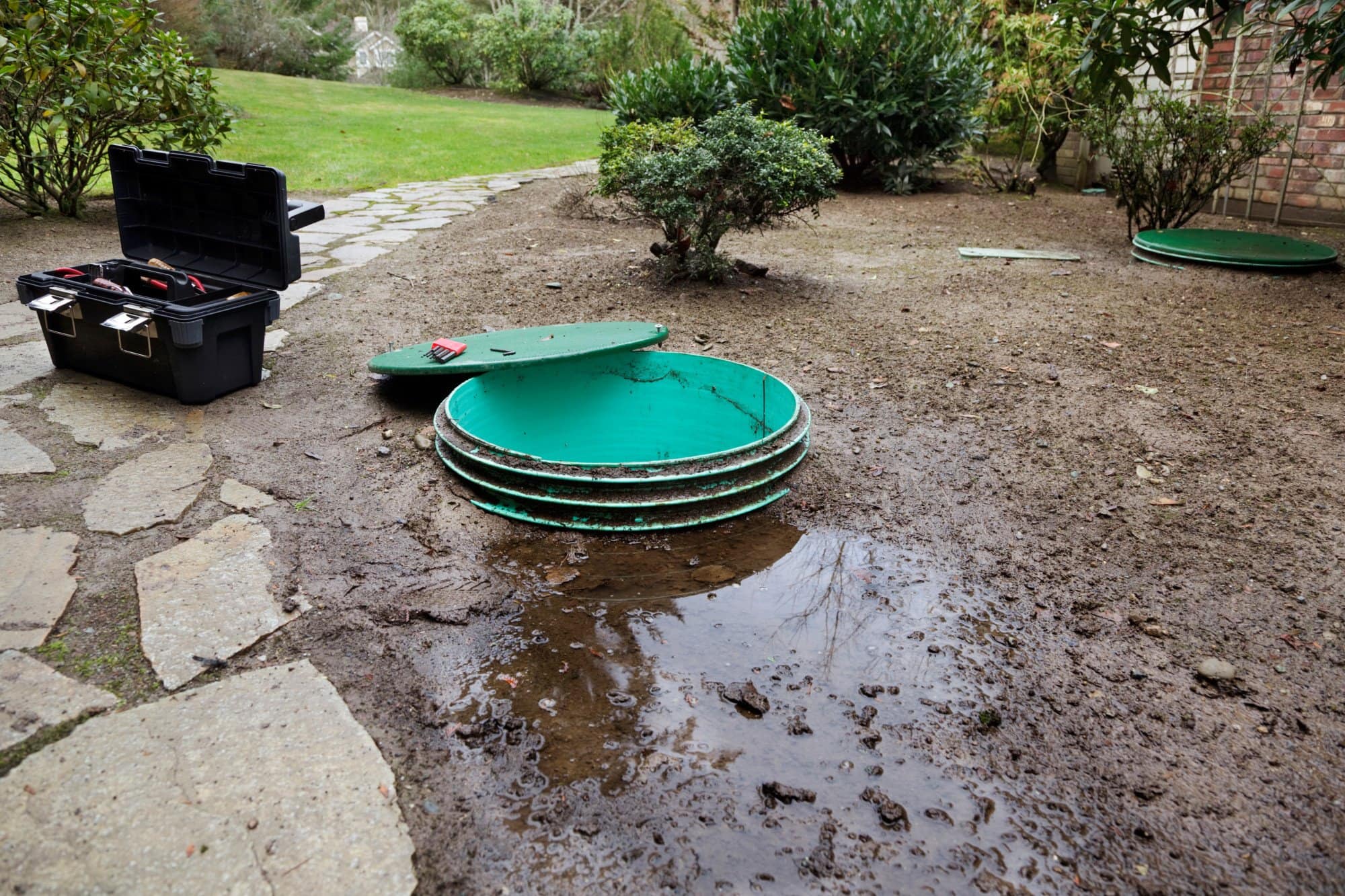
Septic tank pumping is a critical component of maintaining a healthy and efficient septic system. Regular maintenance is not only essential for the longevity of the system but also prevents costly repairs and potential health hazards. Understanding the nuances of septic tank pumping can empower homeowners and property managers to make informed decisions regarding their wastewater management systems. Below are some expert tips for ensuring efficient septic tank pumping and maintaining the overall health of your septic system.
Understanding the Frequency of Septic Tank Pumping
Determining how often a septic tank should be pumped is crucial for maintaining its efficiency. Here are some considerations:
- Household Size: Larger households generate more wastewater, necessitating more frequent pumping.
- Tank Size: Smaller tanks will need to be pumped more often than larger ones.
- Water Usage Habits: Excessive water usage can fill up the tank faster, requiring more frequent maintenance.
- Garbage Disposal Use: Frequent use can increase the accumulation of solids in the tank.
It is generally recommended that septic tanks be pumped every three to five years. However, these factors should be considered to tailor the schedule to specific needs. For more detailed guidance, consider consulting resources on septic tank pumping.
Signs That Your Septic Tank Needs Pumping
Recognizing the signs of a full septic tank can prevent system failures and unsanitary conditions. Look out for the following indicators:
- Slow Drains: If sinks, showers, or toilets are draining slowly, it may indicate a full tank.
- Unpleasant Odors: Foul smells around the septic tank area or inside the home can signal the need for pumping.
- Pooling Water: Unexplained water accumulation in the yard, particularly near the drain field, is a red flag.
- Backed-Up Toilets: Frequent backups can indicate a blockage or full tank.
If any of these signs are present, it is advisable to schedule a septic tank inspection and pumping as soon as possible.
Preparing for Septic Tank Pumping
Locate and Expose the Tank
Before a septic tank can be pumped, it must be located and exposed. This involves:
- Finding the tank’s location using a map of the septic system or via professional help.
- Removing obstacles such as landscaping features or debris that may cover the tank access point.
Ensure Easy Access for Professionals
Facilitate seamless service by ensuring the path to the septic tank is clear for the professionals. This can involve:
- Clearing driveways and pathways of vehicles or obstructions.
- Providing the necessary permits or permissions for the service crew to access the area.
Post-Pumping Maintenance Tips
After the septic tank has been pumped, maintaining its efficiency is the next step. Consider the following tips:
- Avoid Excessive Water Usage: Spread out laundry and dishwashing loads to prevent overwhelming the system.
- Dispose of Waste Properly: Avoid flushing non-biodegradable items or pouring grease down the drains.
- Regular Inspections: Schedule routine inspections to catch potential issues early.
- Be Mindful of Landscaping: Avoid planting trees or shrubs near the septic system to prevent root intrusion.
Implementing these practices can extend the life of a septic system and reduce the likelihood of unexpected issues.
Conclusion
Efficient septic tank pumping is essential for maintaining a functional and reliable wastewater management system. By understanding the factors affecting pumping frequency, recognizing early signs of a full tank, and following proper preparation and maintenance steps, homeowners can ensure their septic systems operate smoothly and effectively. Regular professional guidance and adherence to maintenance best practices will lead to a healthier home environment and prevent costly repairs in the long run.
About the Author


