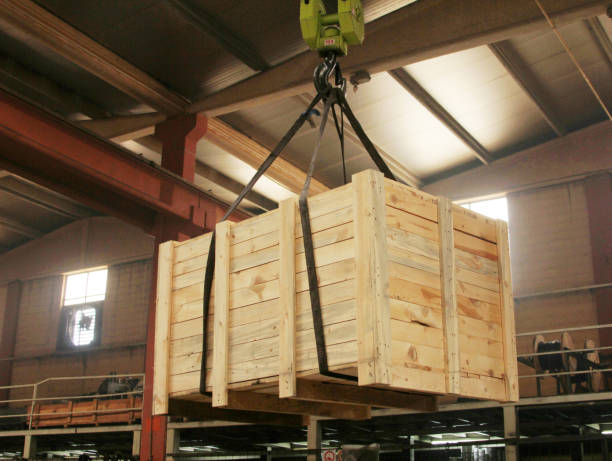
Wooden crates have long been a staple in the logistics and transportation industries, valued for their durability and reliability. However, their utility extends far beyond the world of shipping. Increasingly, wooden crates are being embraced in a variety of creative and practical applications. This article explores the diverse ways in which these versatile containers are being used, from traditional shipping needs to innovative styling solutions.
Traditional Uses in Shipping and Storage
Historically, wooden crates have played a crucial role in the shipping industry. Their sturdy construction makes them ideal for transporting a wide range of goods, offering protection from damage during transit.
- Durability: Wooden crates are known for their strength and ability to withstand heavy loads.
- Protection: They offer excellent protection against environmental factors such as moisture and temperature fluctuations.
- Stackability: Crates can be easily stacked, optimizing space during shipping and storage.
Innovative Uses in Interior Design
Beyond their traditional role in shipping, wooden crates have found a place in interior design, contributing to both aesthetic appeal and functionality.
Home D?cor
Wooden crates are being repurposed as stylish home d?cor items, adding a rustic charm to any space. Here are some creative ways they can be used in interior design:
- Shelving Units: Stacked or mounted on walls, crates can be transformed into unique shelving solutions.
- Furniture: Crates can be used to create coffee tables, seating, or even bed frames.
- Storage Solutions: They provide an aesthetic way to organize household items, from books to toys.
Retail and Commercial Spaces
In retail settings, wooden crates offer an eco-friendly and versatile display option:
- Product Displays: Crates can be used to create eye-catching product displays, enhancing the visual appeal of merchandise.
- Branding: They offer a customizable surface for branding messages, aligning with a company?s aesthetic.
- Flexibility: Easily reconfigured, crates can adapt to changing display needs and seasonal products.
Environmental Benefits
The use of wooden crates also aligns with sustainable practices, offering several environmental benefits:
- Renewable Resource: Wood is a renewable resource, making crates an eco-friendly choice.
- Reusability: Wooden crates are durable and can be reused multiple times, reducing waste.
- Recyclability: At the end of their lifecycle, crates can be recycled, minimizing environmental impact.
Conclusion
From their traditional role in shipping to innovative applications in interior design and retail, wooden crates offer a range of practical uses that extend beyond their original purpose. Their durability, versatility, and environmental benefits make them a valuable asset in various industries. As the demand for sustainable and stylish solutions grows, the popularity of wooden crates is likely to increase, cementing their place as a multifunctional tool in both commercial and residential settings.
About the Author


