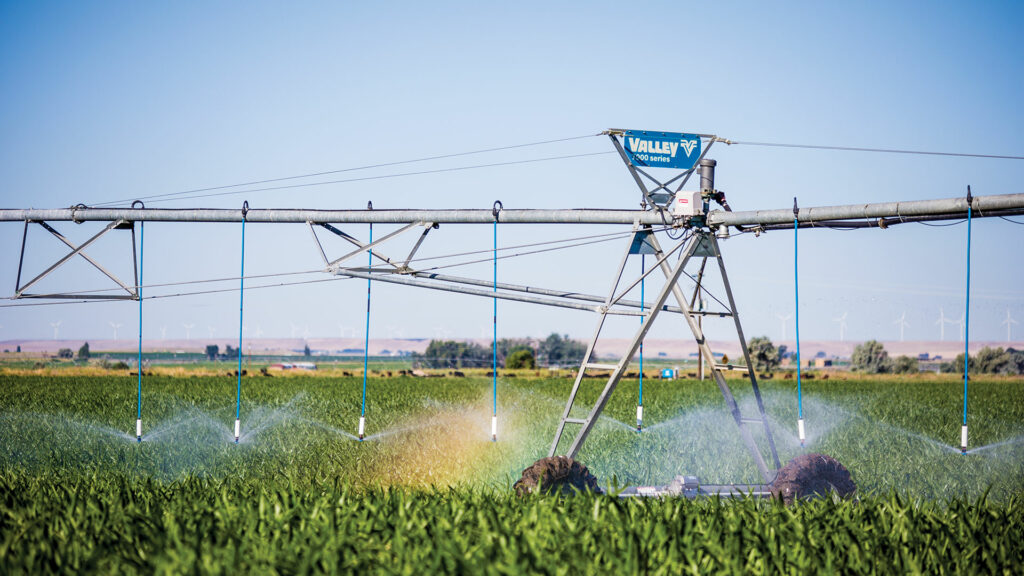
In the world of agricultural irrigation, selecting the right center pivot equipment is crucial for ensuring optimal crop growth and resource efficiency. Center pivot irrigation systems are widely used for their ability to provide uniform water distribution over a large area, making them a popular choice among farmers and agricultural businesses. However, with various models and configurations available, choosing the right equipment can be a daunting task. This article provides a comprehensive guide to help you make an informed decision, from understanding your specific needs to exploring the latest technological advancements.
Understanding Your Irrigation Needs
Before investing in any center pivot irrigation system, it is essential to assess your specific irrigation requirements. Here are a few key factors to consider:
- Crop Type: Different crops have varying water needs. Understanding these requirements will help in selecting the right system.
- Field Size and Shape: The size and shape of your land will determine the type and length of the pivot needed.
- Water Source: The availability and quality of water can influence the choice of equipment.
- Soil Type: Different soil types have different absorption rates, affecting irrigation frequency and amount.
Evaluating Technical Specifications
Once you have a clear understanding of your irrigation needs, the next step is to evaluate the technical specifications of the available equipment. Consider the following:
- Span Length: This determines the area that can be covered. Longer spans cover more ground but require more pressure.
- Material Quality: Durable materials like galvanized steel can withstand harsh weather conditions and reduce maintenance costs.
- Control Panels: Modern systems offer advanced control panels for precision irrigation. Discover expert strategies here.
- Mobility: Some systems offer mobile pivot points, allowing for flexible irrigation.
Considering Technological Advancements
Technology plays a significant role in modern irrigation systems. Recent advancements offer improved efficiency and control. When evaluating options, consider:
- Smart Irrigation Systems: These systems use sensors and data analytics to optimize water usage and irrigation schedules.
- Remote Monitoring: Many systems now offer remote monitoring and control through mobile apps and web interfaces. Explore advanced guides and tips.
- Energy Efficiency: Look for energy-efficient motors and components that can lower operational costs.
Budget and Long-term Considerations
While the initial investment in center pivot irrigation equipment can be significant, it is important to consider the long-term benefits and cost savings. Key considerations include:
- Initial Costs: Evaluate the upfront costs against the potential yield increase and water savings.
- Maintenance Costs: High-quality systems may have higher initial costs but lower maintenance expenses. Find out more about this approach.
- Return on Investment (ROI): Calculate the potential ROI based on improved crop yields and reduced water usage.
Consulting with Experts
Finally, it is advisable to consult with irrigation experts and equipment suppliers who can offer tailored solutions based on your specific needs. Their expertise can provide valuable insights into the latest technologies and best practices. Learn about our tailored solutions.
Choosing the right center pivot irrigation equipment involves careful consideration of various factors, from understanding your unique irrigation needs to evaluating technological advancements and budget considerations. By investing in the right system, you can ensure efficient water usage, improved crop yields, and long-term cost savings. For those navigating this decision, exploring resources and expert advice can prove invaluable in making the most informed choice.
About the Author




