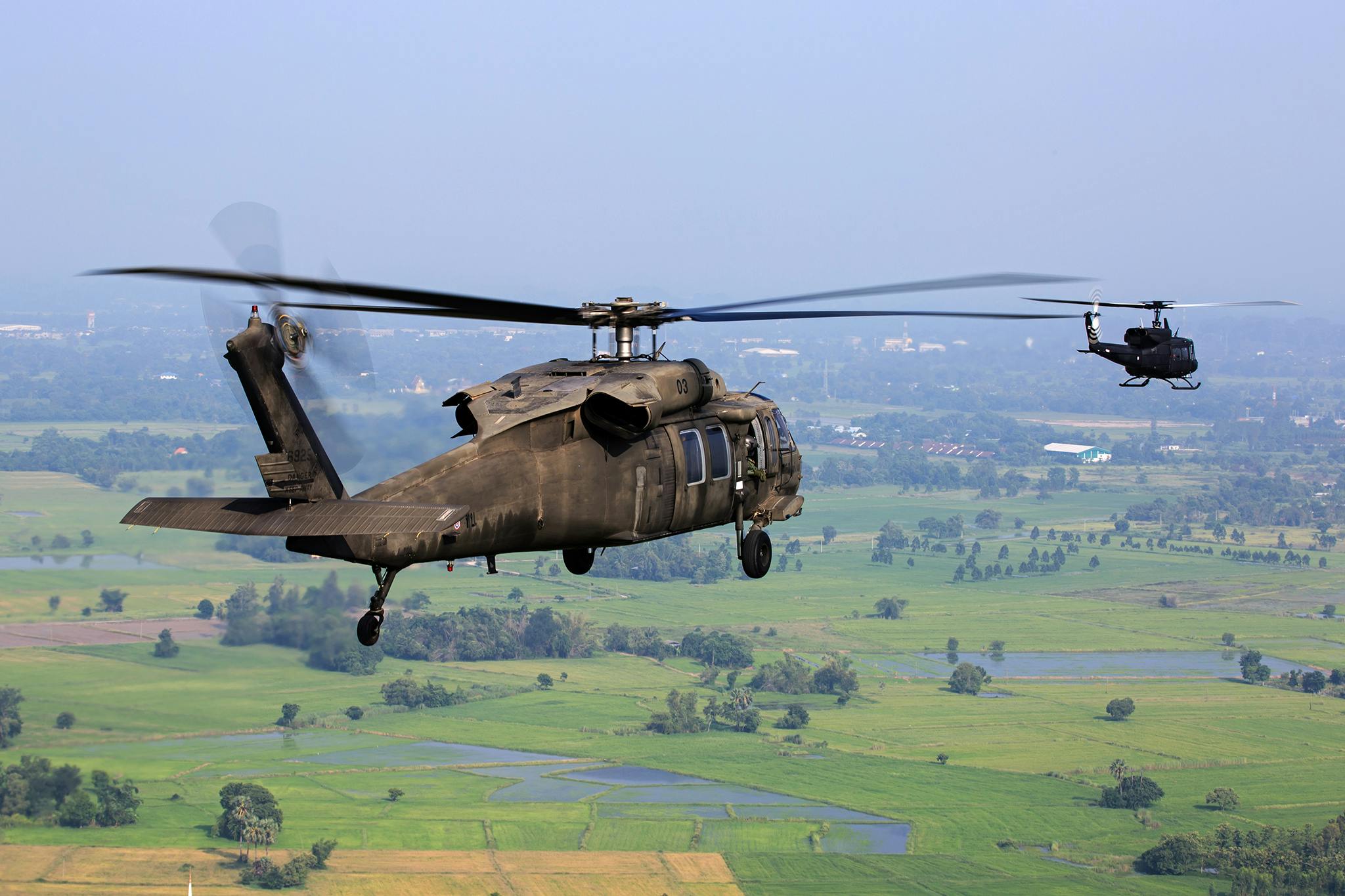
Attaining a Single Engine Commercial Pilot License signifies a major milestone for aspiring aviators, representing both mastery of aircraft operation and a stepping stone to diverse career opportunities in aviation. This challenging yet rewarding journey involves comprehensive training, rigorous assessments, and a commitment to safety and precision. Understanding the nuances of this training can greatly enhance a pilot’s ability to succeed and thrive in the aviation industry. The following guide outlines essential elements of this training, offering insights into the key components and strategies for mastering the Single Engine Commercial Pilot License.
Understanding the Training Requirements
Before embarking on the journey towards a Single Engine Commercial Pilot License, prospective pilots must familiarize themselves with the training requirements. These prerequisites ensure that candidates are well-prepared for the rigors of aviation training.
- Minimum flight hours: Typically, candidates need a minimum number of flight hours, often around 250, which includes both dual instruction and solo flying.
- Knowledge test: A written exam covering aerodynamics, meteorology, navigation, and regulations is required.
- Medical certification: A valid medical certificate ensures that candidates meet the health standards necessary for safe flying.
Discover expert strategies here for preparing effectively for these requirements and ensuring a strong foundation for training.
Core Components of Pilot Training
The training for a Single Engine Commercial Pilot License is composed of multiple components that collectively build a pilot’s skills and knowledge.
Ground School
Ground school provides the theoretical knowledge essential for understanding aircraft operation and flight dynamics. Key topics include:
- Aerodynamics and aircraft systems
- Flight planning and navigation techniques
- Weather patterns and their impact on flight
- Regulations and airspace operations
To enhance understanding, pilots can learn about our tailored solutions that integrate advanced technology and expert instruction.
Flight Training
Flight training involves practical experience in the cockpit, where pilots apply theoretical knowledge. This phase focuses on:
- Mastering aircraft control and maneuvers
- Developing situational awareness and decision-making skills
- Practicing emergency procedures and safety protocols
- Building confidence through solo flights and cross-country navigation
For those looking to enhance their practical skills, explore advanced guides and tips to maximize flight training efficiency.
Strategies for Success
Achieving a Single Engine Commercial Pilot License requires dedication and strategic planning. Consider these strategies to optimize training outcomes:
- Set realistic and manageable goals to track progress.
- Engage in continuous learning and seek feedback from instructors.
- Embrace simulators and technology to reinforce learning.
- Network with experienced pilots to gain insights and mentorship.
By adopting these strategies, aspiring pilots can effectively navigate the complexities of training. Find out more about this approach to ensure comprehensive preparation and skill development.
Conclusion
Mastering the Single Engine Commercial Pilot License is a testament to a pilot’s dedication, skill, and commitment to excellence in aviation. By understanding the training requirements, engaging in comprehensive flight training, and employing strategic approaches, aspiring pilots can successfully achieve their aviation goals. With the right guidance and resources, pilots can confidently step into the skies, ready to embark on rewarding careers in the world of aviation.
About the Author




