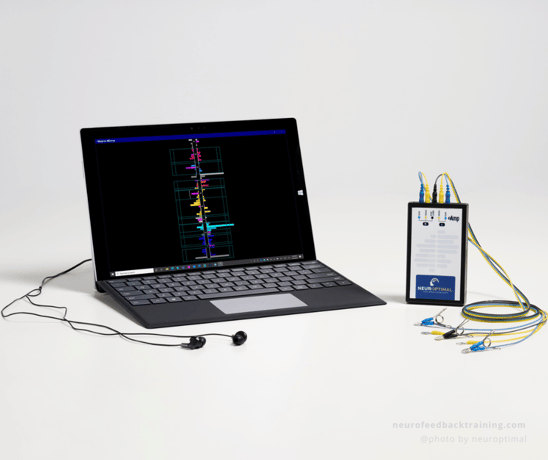
Neurofeedback training has gained significant traction as an effective tool for enhancing mental health and cognitive function. As the demand for this innovative therapy grows, so does the need for certified professionals who can deliver these services competently. Understanding the pathway to becoming certified in neurofeedback training is crucial for professionals seeking to expand their practice or enter this dynamic field. This article outlines the essential aspects of achieving a neurofeedback training certification, including the necessary steps, costs, and benefits.
Understanding Neurofeedback Training
Neurofeedback is a non-invasive therapy that uses real-time monitoring of brain activity to teach self-regulation of brain function. It is often used to treat conditions such as anxiety, ADHD, and insomnia. By providing feedback to the patient about their brainwaves, neurofeedback helps individuals learn to modify their brain activity, leading to improved mental health and performance.
Steps to Obtain a Neurofeedback Training Certification
Becoming certified in neurofeedback training involves several key steps. Each step is designed to ensure that practitioners have the knowledge and skills necessary to provide safe and effective neurofeedback services.
1. Educational Requirements
- Completion of a degree in a related field such as psychology, counseling, or medicine.
- Acquire foundational knowledge about neurophysiology and brainwave patterns.
- Understanding of the principles of operant conditioning as it applies to neurofeedback.
2. Formal Training Programs
Enroll in a comprehensive training program that provides both theoretical knowledge and practical skills. These programs often include:
- Classroom instruction on neurofeedback techniques and methodologies.
- Hands-on training with neurofeedback equipment.
- Supervised practice sessions with clients.
It’s important to consider the neurofeedback training certification costs when choosing a program, as it can vary significantly.
3. Certification Examination
After completing the training program, candidates must pass a certification examination. This exam tests their knowledge and ability to apply neurofeedback techniques effectively. Certification bodies may vary; however, common organizations include the Biofeedback Certification International Alliance (BCIA) and other recognized institutions.
Cost Considerations
The financial investment in becoming certified is an important consideration for many. Factors affecting the neurofeedback equipment cost include:
- Tuition fees for educational programs.
- Cost of purchasing or leasing neurofeedback equipment.
- Expenses related to certification exams and ongoing professional development.
It’s advisable to compare the neurofeedback price across different training providers to find a program that fits your budget and career goals.
Benefits of Certification
Obtaining a certification in neurofeedback training offers numerous advantages:
- Validates expertise and enhances professional credibility.
- Increases employment opportunities and potential earnings.
- Enables practitioners to provide high-quality care with confidence.
Conclusion
Pursuing a neurofeedback certification is a valuable step for professionals seeking to expand their therapeutic repertoire. By understanding the necessary requirements, costs, and benefits, individuals can make informed decisions about their professional development in this exciting field. As the demand for neurofeedback continues to rise, certified practitioners will be well-positioned to meet the needs of their clients and contribute to the advancement of mental health therapies.
About the Author

