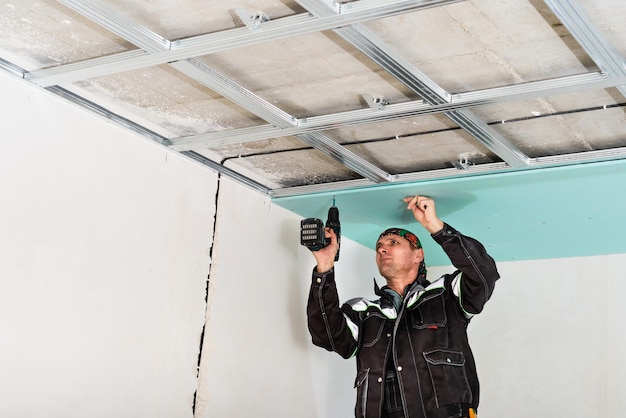
Water damage to ceilings is a common issue that can compromise the structural integrity of a building and lead to costly repairs if not addressed promptly. Understanding the causes, identifying early signs, and implementing effective repair strategies are crucial for maintaining the safety and appearance of both residential and commercial properties. This article provides comprehensive insights into professional ceiling water damage repair solutions, ensuring that property owners are equipped with the knowledge to tackle these challenges efficiently.
Identifying the Causes of Ceiling Water Damage
Ceiling water damage can arise from various sources, each requiring a different approach for resolution:
- Leaking Roofs: A primary cause of water damage, especially during rainy seasons or in regions with heavy snowfall.
- Plumbing Issues: Burst pipes or faulty plumbing systems can lead to significant water leakage.
- Condensation: Inadequate ventilation can cause condensation, leading to water accumulation on ceilings.
- Natural Disasters: Floods and severe weather conditions can induce significant water damage.
Understanding these causes enables property owners to implement preventive measures. Discover expert strategies here for identifying and addressing these issues effectively.
Signs of Ceiling Water Damage
Early detection of water damage is crucial in mitigating extensive repair costs. Look out for the following signs:
- Discoloration: Yellow or brown stains on the ceiling are often the first indications of water damage.
- Peeling Paint: Bubbling or peeling paint suggests moisture retention beneath the surface.
- Sagging Ceilings: A significant accumulation of water can cause the ceiling to sag or bulge.
- Mold Growth: Persistent water leakage can promote mold development, posing health risks.
Addressing these symptoms early can prevent more severe damage. Learn about our tailored solutions for early detection and prevention.
Professional Repair Solutions
Effective ceiling water damage repair requires a methodical and professional approach. Consider the following solutions:
Assessment and Inspection
A thorough assessment by professionals is the first step in identifying the source and extent of the damage. This process often involves:
- Using specialized tools to detect moisture levels.
- Examining the integrity of the building materials.
- Determining the best course of action for repair.
Explore advanced guides and tips on conducting comprehensive assessments.
Repair and Restoration
Once the assessment is complete, the repair process involves several steps:
- Water Extraction: Removing excess water to prevent further damage.
- Drying and Dehumidification: Using industrial-grade equipment to dry affected areas thoroughly.
- Material Replacement: Replacing damaged drywall or ceiling tiles.
- Finishing Touches: Repainting and texturing to restore the ceiling’s appearance.
These steps are crucial for ensuring a long-lasting repair. Find out more about this approach and how professional services can ensure optimal results.
Preventive Measures
Preventing ceiling water damage is often more cost-effective than repairs. Implement the following preventive measures:
- Regularly inspect roofing and plumbing systems for signs of wear or leaks.
- Ensure proper ventilation in areas prone to condensation.
- Install water leak detection devices for early warning.
- Maintain gutters and downspouts to direct water away from the building.
By adopting these strategies, property owners can significantly reduce the risk of ceiling water damage. Discover expert strategies here for proactive water damage prevention.
About the Author

