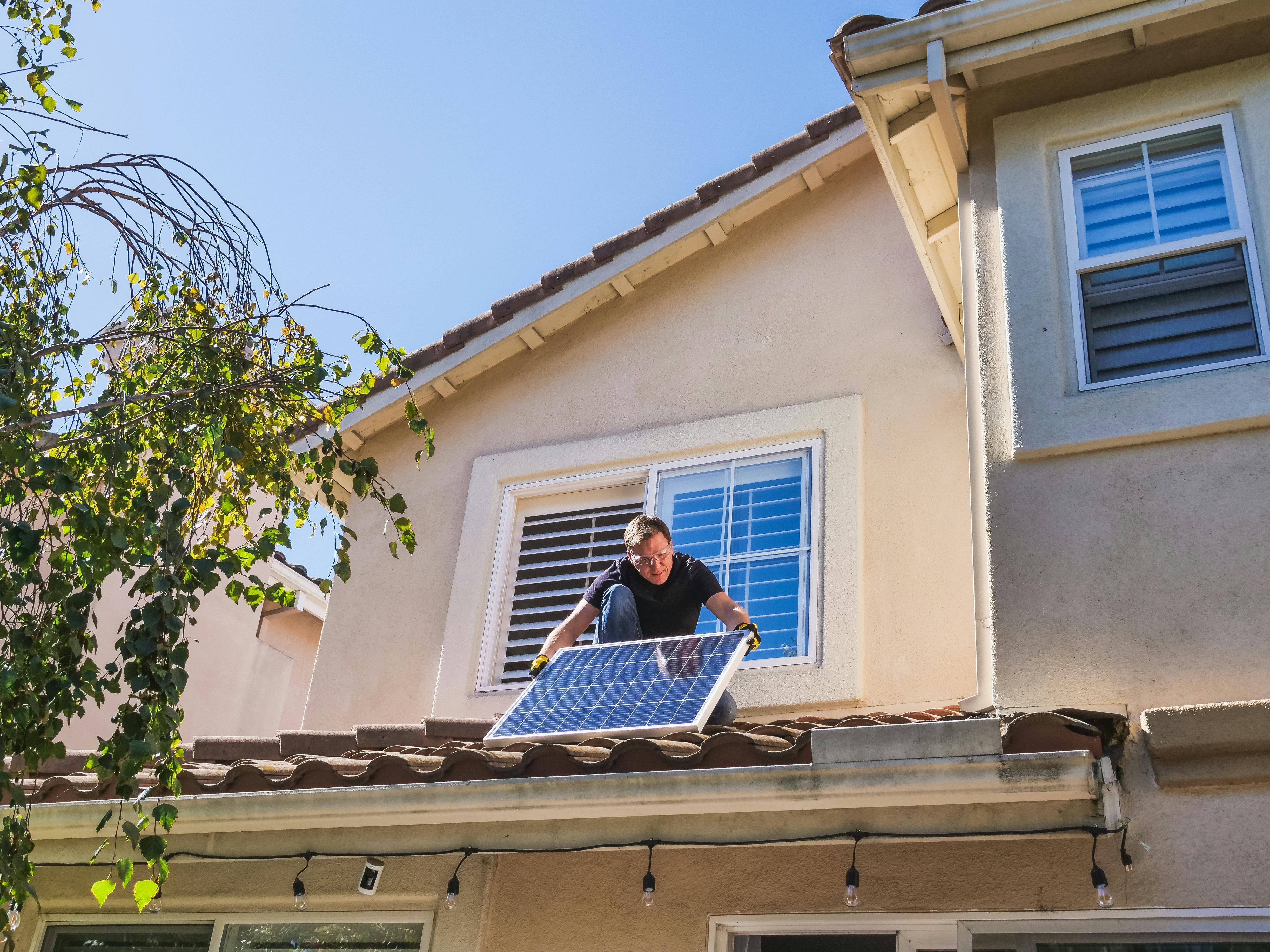
The sweltering summer months often bring with them a dreaded spike in energy bills, with cooling costs accounting for a significant portion of household expenses. As climate change continues to escalate, so do these costs, urging homeowners to seek sustainable and economical solutions. Solar ventilation emerges as a promising answer to this predicament, offering an eco-friendly way to reduce cooling expenses without sacrificing comfort. By harnessing the power of the sun, solar ventilation systems can significantly decrease the need for traditional air conditioning, thus slashing energy bills and promoting a greener environment.
Understanding Solar Ventilation
Solar ventilation systems are designed to utilize solar energy to ventilate and cool spaces. These systems involve the installation of solar panels that capture sunlight, converting it into energy used to power ventilation fans. This energy-efficient method not only reduces reliance on grid electricity but also enhances indoor air quality by facilitating constant air exchange.
Key Benefits of Solar Ventilation Systems
- Cost-Effective: Once installed, these systems can reduce energy costs significantly by minimizing the use of air conditioning.
- Eco-Friendly: Utilizing renewable energy helps in lowering carbon footprints and promoting sustainability.
- Improved Air Quality: Continuous air circulation improves indoor air quality by expelling heat and moisture.
- Low Maintenance: With fewer moving parts than traditional HVAC systems, solar ventilation requires minimal maintenance.
Find out more about this approach by exploring tailored solutions that fit specific needs and environments. Learn about our tailored solutions.
Integration with Existing Systems
Integrating solar ventilation with existing cooling systems can further enhance energy efficiency. By using solar-powered fans to expel hot air and draw in cooler air, these systems reduce the workload on air conditioners, leading to significant energy savings.
Steps to Effective Integration
- Assessment: Evaluate the current cooling system and identify areas that can benefit from improved ventilation.
- Design: Tailor the solar ventilation system to complement existing infrastructure, ensuring seamless operation.
- Installation: Engage professionals to install solar panels and ventilation units for optimal performance.
- Monitoring: Continuously monitor system performance to ensure maximum efficiency and adjust settings as needed.
Discover expert strategies here for integrating solar ventilation into existing systems.
Choosing the Right Solar Ventilation System
Selecting the appropriate solar ventilation system involves considering factors such as climate, building design, and specific cooling needs. It’s essential to choose systems that offer the right balance between cost, efficiency, and sustainability.
Factors to Consider
- Climate: Understand the local climate to determine the most effective type of solar ventilation system.
- Building Design: Analyze the building layout to identify optimal locations for solar panel installation.
- Energy Needs: Assess the energy consumption patterns to select a system that adequately meets cooling demands.
- Budget: Compare different systems and their long-term savings potential to find a cost-effective solution.
Explore advanced guides and tips here to make an informed decision on the best system for any space.
Conclusion
As energy costs continue to rise, adopting solar ventilation solutions offers a smart and sustainable way to reduce cooling expenses. By utilizing the natural power of the sun, these systems not only cut down on utility bills but also contribute positively to environmental conservation. Homeowners seeking to maximize savings and enhance comfort should consider solar ventilation as a viable and effective solution. Learn more about implementing these strategies and find out how to transform energy consumption patterns sustainably by visiting Haven Ventilation.
About the Author




