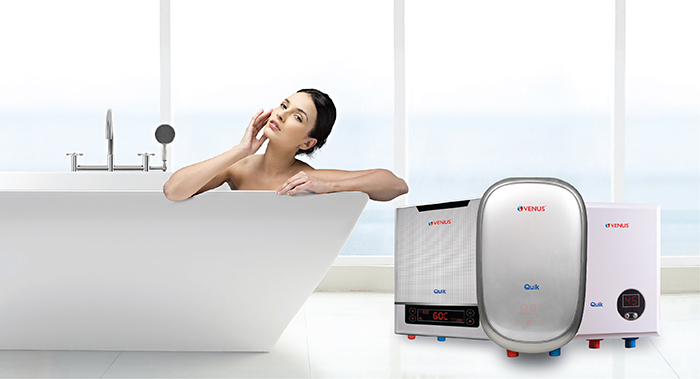
In recent years, the quest for energy efficiency and sustainability has led homeowners to rethink their choices regarding household appliances. Traditional water heaters, known for their large tanks and energy consumption, are gradually being replaced by their greener counterparts: tankless water heaters. These modern systems offer numerous advantages, making them an eco-friendly and cost-effective choice for any home. This article will explore the benefits of tankless water heaters, their environmental impact, and considerations for installation and maintenance.
Understanding Tankless Water Heaters
A tankless water heater operates by heating water directly without the use of a storage tank. When a hot water tap is turned on, cold water travels through a pipe into the unit where either a gas burner or an electric element heats the water. As a result, a tankless water heater delivers a constant supply of hot water.
Key Features
- Energy Efficiency: Tankless water heaters are known for their energy-saving capabilities, as they only heat water on demand.
- Space Saving: Without the need for a bulky storage tank, these systems require less space.
- Longevity: With proper maintenance, a tankless water heater can last up to 20 years.
Environmental Benefits
Adopting a tankless water heater contributes significantly to sustainability efforts. The reduced energy consumption not only translates to lower utility bills but also a smaller carbon footprint. By using less fuel and energy, these systems help decrease greenhouse gas emissions, aligning with global efforts towards environmental conservation.
Energy Efficiency
- Reduced Energy Use: Tankless water heaters typically use 20% to 30% less energy than conventional tank models.
- Lower Carbon Footprint: Due to their high efficiency, tankless systems contribute less to carbon emissions.
Considerations for Installation
While tankless water heaters offer numerous advantages, there are several factors homeowners should consider before installation. One primary consideration is the initial cost, which is generally higher than traditional units. However, the long-term savings in energy bills often offset this initial investment.
Installation Considerations
- Professional Installation: It is recommended to have the system installed by a certified professional to ensure optimal performance and safety.
- Location: The unit should be installed in a location that allows easy access for maintenance and servicing.
- Energy Source: Homeowners need to decide between gas and electric models, considering factors such as existing infrastructure and energy costs.
Maintenance and Longevity
Regular maintenance is crucial for the longevity and efficiency of a tankless water heater. This includes descaling to prevent mineral buildup, especially in areas with hard water. Such maintenance not only ensures the system runs efficiently but also extends its lifespan.
Maintenance Tips
- Annual Check-Up: Schedule yearly inspections by a professional to ensure all components function properly.
- Descaling: Depending on water quality, descaling may be necessary to prevent mineral buildup.
- Filter Cleaning: Regularly clean or replace the water filter to maintain water flow and quality.
In conclusion, tankless water heaters represent a forward-thinking approach to household water heating, offering unparalleled efficiency and environmental benefits. Homeowners interested in sustainability and cost savings should consider this technology as a viable option. For further information on tankless water heaters and their potential impact, explore more resources and expert advice.
About the Author