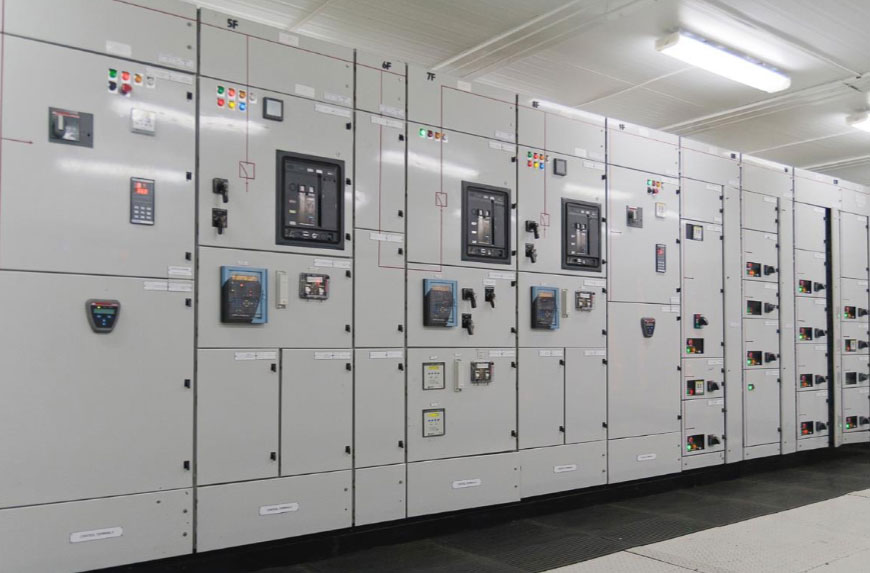
Gas Insulated Switchgear (GIS) technology represents a crucial advancement in electrical engineering, offering compact, reliable, and efficient solutions for modern electrical grids. Over recent decades, the evolution of GIS has transformed power transmission and distribution, providing essential benefits such as reduced installation space, enhanced safety, and improved system reliability. As urban areas expand and the demand for electricity increases, GIS technology continues to evolve, meeting the challenges of modern electrical infrastructures.
The Genesis of Gas Insulated Switchgear
The inception of GIS technology dates back to the mid-20th century, driven by the need for more compact and efficient power distribution solutions. Traditional air-insulated switchgear, although reliable, required significant space and maintenance. The introduction of sulfur hexafluoride (SF6) gas as an insulating medium marked a pivotal shift in switchgear technology. This development allowed engineers to design switchgear systems that were not only more compact but also more efficient and reliable.
Key Milestones in GIS Development
- 1950s: Introduction of SF6 gas as an insulating medium, leading to the development of the first GIS systems.
- 1970s: Widespread adoption of GIS in urban areas, driven by the need for space-saving solutions.
- 1990s: Advancements in materials and manufacturing techniques improved the reliability and efficiency of GIS systems.
- 2000s: Integration of smart technologies and digital controls enhanced the functionality of GIS, aligning with the needs of modern grids.
Benefits of Modern GIS Systems
Today’s GIS systems are designed to meet the demands of contemporary electrical grids. They offer numerous advantages over traditional systems, making them an ideal choice for urban environments and critical infrastructure. Discover expert strategies here.
Space Efficiency and Flexibility
- GIS requires significantly less space than traditional air-insulated switchgear, making it ideal for urban settings where space is at a premium.
- The modular design allows for easy expansion and customization to meet specific project requirements.
Enhanced Safety and Reliability
- Encapsulation of components within a sealed environment reduces the risk of arc flash incidents and other safety hazards.
- GIS systems are less susceptible to environmental factors such as dust, pollution, and moisture, ensuring long-term reliability.
Technological Advancements in GIS
Recent advancements in GIS technology have further expanded its capabilities, aligning with the growing demands for smart, efficient, and sustainable power solutions. These innovations have paved the way for a new era of power management. Learn about our tailored solutions.
Integration with Smart Grids
- Modern GIS systems are equipped with digital controls and communication interfaces, enabling seamless integration with smart grid technologies.
- Real-time monitoring and diagnostics improve system efficiency and reduce downtime.
Environmental Considerations
- Efforts to reduce SF6 emissions have led to the development of alternative insulating gases, minimizing the environmental impact of GIS systems.
- Advancements in recycling and end-of-life management contribute to the sustainability of GIS technology.
Future Trends and Developments
The future of GIS technology looks promising, with continuous innovations aimed at enhancing performance and sustainability. Emerging trends indicate a strong focus on digitalization, sustainability, and resilience. Explore advanced guides and tips.
Digitalization and Automation
- Automation technologies are expected to play a significant role in future GIS systems, optimizing operations and maintenance.
- Increased use of data analytics and machine learning will enhance predictive maintenance and operational efficiency.
Sustainable Solutions
- Ongoing research into eco-friendly alternatives for SF6 is expected to yield solutions that further reduce the environmental footprint of GIS.
- Innovations in energy-efficient designs will contribute to the development of greener power distribution systems.
Gas Insulated Switchgear technology has come a long way since its inception, continuously evolving to meet the challenges of modern power distribution. As the industry moves towards more sustainable and efficient solutions, GIS remains at the forefront, driving the future of electrical engineering. Find out more about this approach.
About the Author


