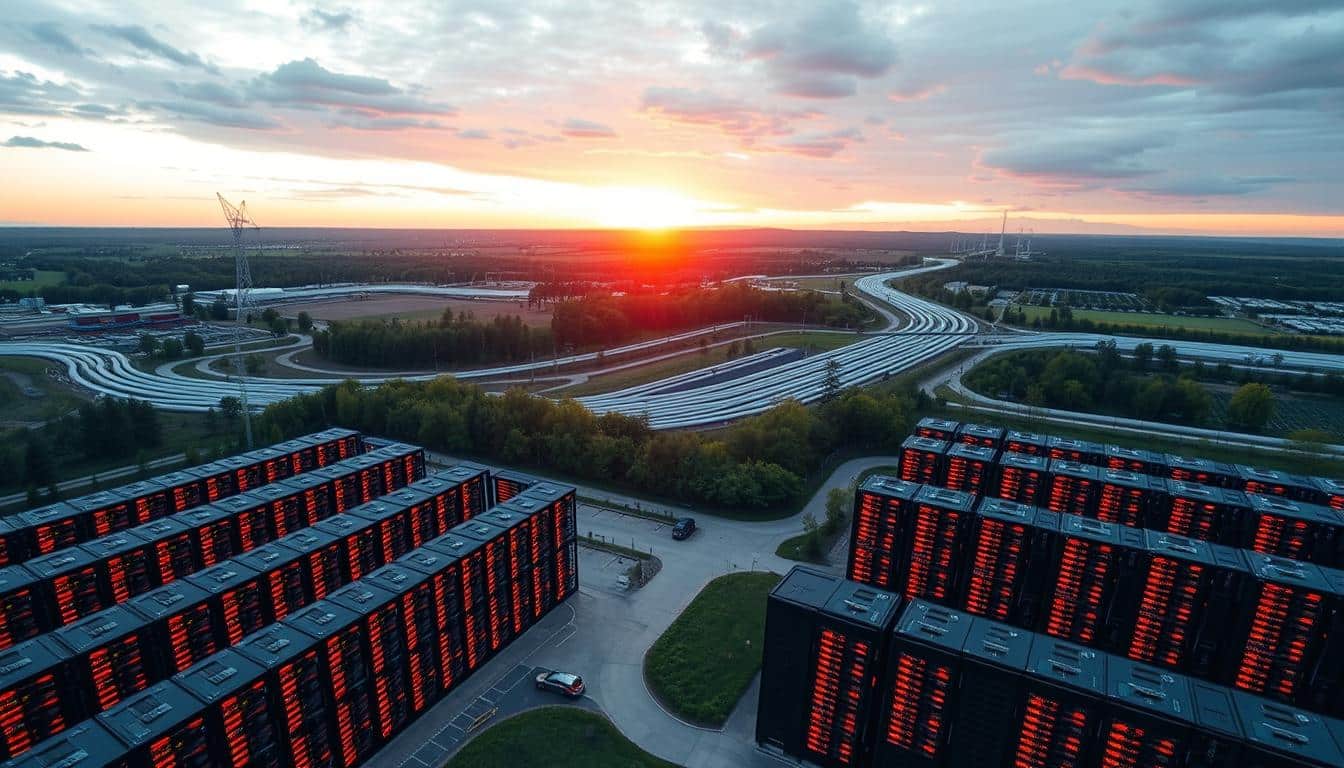
The oil and gas industry is a multifaceted sector that plays a critical role in the global economy. Within this industry, the midstream segment serves as an essential bridge between upstream exploration and production operations and downstream refining and distribution activities. Midstream energy services encompass a range of operations including transportation, storage, and marketing of crude oil, natural gas, and refined products. This article delves into the pivotal role of midstream energy services, shedding light on their importance and the intricate processes involved in ensuring the smooth flow of energy resources from production sites to end consumers.
The Functions of Midstream Energy Services
Midstream energy services are integral to the oil and gas supply chain. These services are primarily responsible for:
- Transportation: Safely and efficiently moving crude oil and natural gas from production sites to refineries via pipelines, rail, tankers, and trucks.
- Storage: Offering storage solutions to manage supply and demand fluctuations, ensuring a steady supply of energy products.
- Processing: Treating raw natural gas to remove impurities and separate valuable by-products like ethane and propane.
- Marketing and Distribution: Facilitating the sale and delivery of oil and gas products to end-users, optimizing supply logistics.
Midstream services are crucial for maintaining the balance and reliability of the energy supply chain. Discover expert strategies here for optimizing these operations and enhancing efficiency.
The Impact of Technology on Midstream Operations
Innovations in Pipeline Management
Technological advancements have revolutionized pipeline monitoring and management, ensuring the safety and integrity of the infrastructure. Some key innovations include:
- Smart Sensors: Real-time monitoring of pipeline integrity and leak detection to prevent environmental hazards.
- Automated Control Systems: Enhancing operational efficiency by automating flow control and pressure management.
- Data Analytics: Utilizing big data to predict maintenance needs and optimize route planning.
These innovations not only enhance safety but also improve the economic efficiency of midstream operations. Explore advanced guides and tips on implementing these technologies effectively.
Regulatory and Environmental Considerations
The midstream sector operates within a complex regulatory environment that prioritizes safety and environmental protection. Compliance with regulations is crucial to avoid penalties and ensure sustainable operations. Key considerations include:
- Environmental Policies: Adhering to environmental standards to minimize ecological impact and mitigate risks associated with spills and emissions.
- Safety Standards: Implementing rigorous safety protocols to protect workers and communities.
- Regulatory Compliance: Navigating federal, state, and local regulations that govern midstream activities.
Understanding and integrating these considerations into operations is vital for long-term success. Find out more about this approach to regulatory compliance and environmental stewardship.
Challenges and Opportunities in the Midstream Sector
While the midstream sector faces challenges such as fluctuating energy prices and geopolitical tensions, it also presents numerous opportunities for growth and innovation. Key challenges include:
- Infrastructure Development: The need for investment in new pipelines and storage facilities to accommodate growing demand.
- Market Volatility: Adapting to market fluctuations and maintaining profitability.
- Technological Integration: Overcoming barriers to adopting new technologies and digital solutions.
Opportunities lie in leveraging technology to enhance operational efficiency and sustainability. Learn about our tailored solutions to navigate these challenges and capitalize on emerging trends.
In conclusion, midstream energy services are a vital component of the oil and gas industry, ensuring the seamless transport and distribution of energy resources. By embracing technological advancements and adhering to regulatory requirements, the sector can continue to thrive and support the energy needs of consumers worldwide.
About the Author