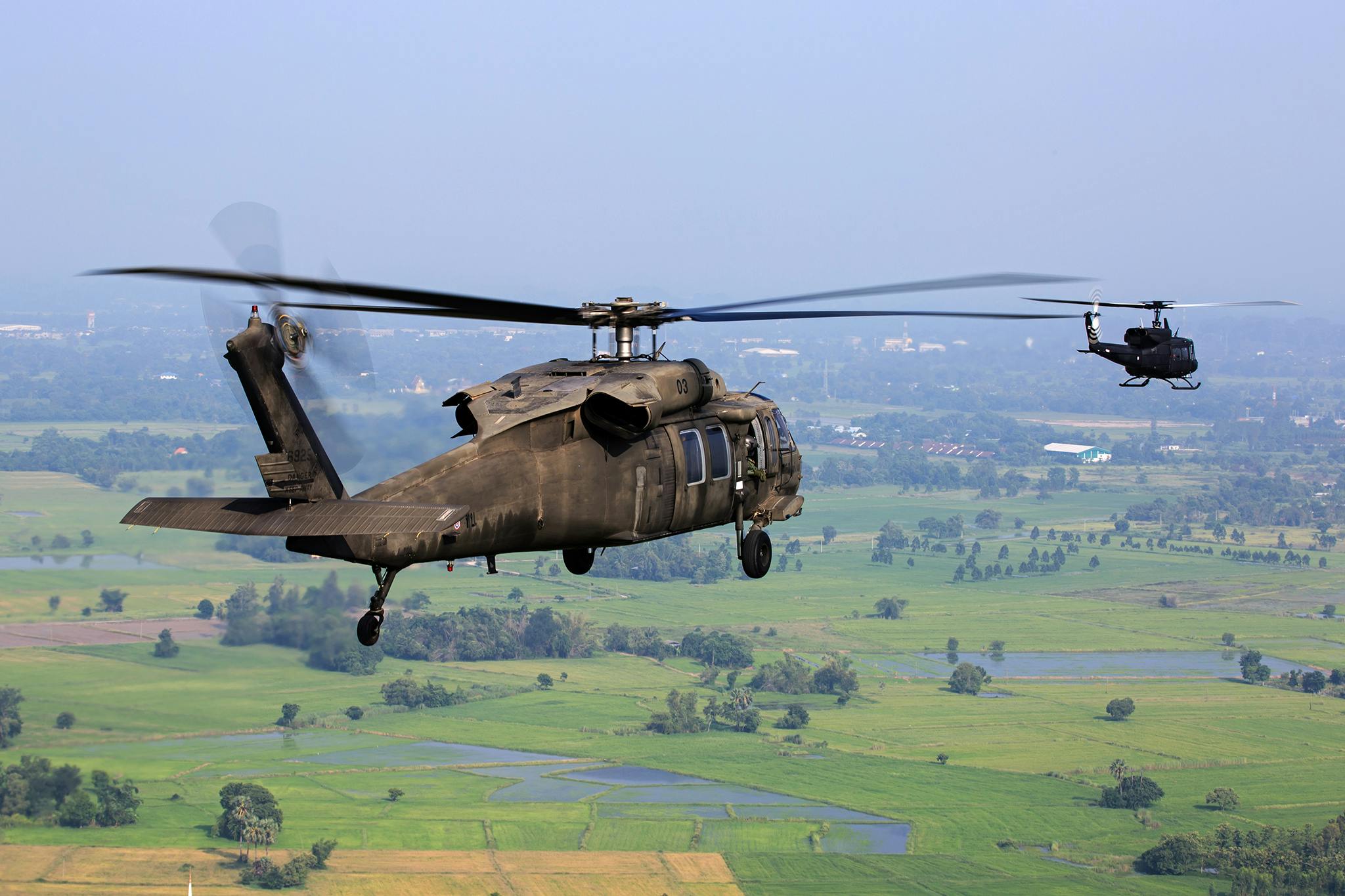
Embarking on a journey to become a commercial aircraft pilot requires dedication, extensive training, and a passion for aviation. This ultimate guide provides a comprehensive overview of the steps involved in commercial pilot training, from initial requirements to advanced certifications. Aspiring pilots will find valuable insights into the process, helping them navigate the path to a successful career in the aviation industry.
Understanding the Basic Requirements
Before enrolling in any pilot training program, it is essential to meet specific prerequisites. These requirements ensure that candidates are suitably prepared for the rigors of flight training.
- Minimum age requirement of 18 years.
- A high school diploma or equivalent educational qualification.
- Proficiency in English, as it is the international aviation language.
- Obtain a first-class medical certificate from an aviation medical examiner.
Initial Flight Training
The journey begins with obtaining a Private Pilot License (PPL), which serves as the foundation for all future training. This phase focuses on basic flying skills and understanding aviation regulations. Interested individuals can discover expert strategies here to enhance their learning experience.
- Completion of a minimum of 40 hours of flight time.
- Passage of a written exam covering aeronautical knowledge.
- Successful completion of a practical flight test with an examiner.
Instrument Rating
After obtaining a PPL, pilots must pursue an Instrument Rating (IR) to enhance their flying capabilities, allowing them to operate aircraft in various weather conditions.
- Additional flight training focused on instrument navigation and procedures.
- Minimum of 40 hours of instrument flight training.
- Successful completion of an instrument rating examination.
Commercial Pilot License (CPL)
The next step is acquiring a Commercial Pilot License (CPL), which permits pilots to be compensated for their flying services. This phase of training is more intensive and requires a higher level of skill and knowledge.
- Completion of at least 250 hours of flight time, including specific training in complex aircraft.
- Advanced understanding of aviation regulations and operations.
- Completion of a commercial pilot knowledge test and practical exam.
- Learn about our tailored solutions for CPL training by visiting this detailed resource.
Multi-Engine Rating
A Multi-Engine Rating is often pursued alongside or after a CPL, allowing pilots to operate aircraft with more than one engine.
- Training focused on handling multi-engine aircraft and understanding their specific systems.
- Completion of a multi-engine flight test.
- Explore advanced guides and tips on multi-engine training here.
Airline Transport Pilot License (ATPL)
The final step for those aspiring to fly for commercial airlines is obtaining an Airline Transport Pilot License (ATPL). This certification represents the highest level of pilot certification.
- Minimum of 1,500 hours of flight time.
- Comprehensive knowledge of advanced aerodynamics, meteorology, and flight planning.
- Successful completion of a stringent written exam and flight test.
- Find out more about this approach to obtaining an ATPL by checking this guide.
Continuous Learning and Professional Development
Even after achieving certification, pilots must engage in ongoing learning to stay current with industry standards and technological advancements. Regular training sessions and certification renewals are essential components of a pilot’s career.
In conclusion, becoming a commercial aircraft pilot involves a series of structured training programs and certifications. Each stage of the journey enhances a pilot’s skills, ensuring they are well-prepared for the challenges of modern aviation. By understanding the requirements and following the outlined steps, aspiring pilots can successfully navigate the path to a rewarding career in the skies.
About the Author




