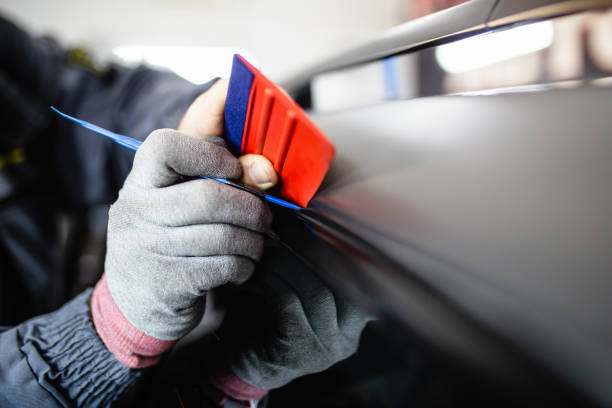
Vinyl wraps for cars have become increasingly popular for vehicle customization, offering a versatile and cost-effective solution to enhance a car’s appearance. Unlike traditional paint jobs, vinyl wraps provide a temporary yet durable way to change the color, finish, and style of a vehicle. This method is not only beneficial for aesthetic upgrades but also for protecting the car’s original paintwork. With the advancements in automotive customization, there are various options available, including vinyl wrap for cars, peelable spray paint for cars, and liquid paint protection film. This guide delves into the world of vinyl wraps, exploring their benefits, application process, and maintenance tips.
What is Vinyl Wrapping?
Vinyl wrapping involves covering the exterior of a vehicle with a vinyl film. This film comes in various colors, textures, and finishes, allowing car owners to achieve the desired look.
Types of Vinyl Wraps
- Glossy Wraps: Mimic the look of actual paint and offer a shiny finish.
- Matte Wraps: Provide a non-reflective, flat finish that is subtle yet sophisticated.
- Satin Wraps: A midway option between gloss and matte for a muted sheen.
- Textured Wraps: Include carbon fiber, brushed metal, and other unique surfaces for a distinctive look.
Benefits of Vinyl Wrapping
- Cost-Effective: More affordable than a full paint job.
- Protection: Acts as a barrier against minor scratches and sun damage.
- Reversible: Can be removed without damaging the original paint.
- Customization: Wide variety of colors and finishes to choose from.
The Vinyl Wrapping Process
The application of vinyl wraps requires precision and skill to ensure a smooth, bubble-free finish.
Preparation
- Thorough cleaning of the vehicle to remove dirt and oil.
- Removal of any surface imperfections to ensure the wrap adheres properly.
- Disassembly of parts such as handles and mirrors for a seamless application.
Application
- Cutting the vinyl to match the dimensions of the vehicle’s panels.
- Careful application using squeegees to eliminate air bubbles.
- Trimming excess vinyl and ensuring edges are secure.
Finishing Touches
- Heat application to set the wrap and improve adhesion.
- Reassembly of removed parts.
- Final inspection for quality assurance.
Maintaining Your Vinyl Wrap
Proper maintenance can extend the life of a vinyl wrap and keep it looking fresh.
Cleaning
- Wash the vehicle regularly with a mild detergent and water.
- Avoid abrasive cleaners or brushes that can scratch the vinyl.
- Rinse thoroughly to remove soap residue.
Protection
- Park in shaded areas to reduce UV exposure.
- Consider using a liquid ppf for added protection against elements.
- Avoid waxing as it can affect the wrap’s finish.
Exploring Alternatives to Vinyl Wraps
For those seeking other customization options, peelable spray paint for cars and liquid paint protection films offer innovative solutions. These alternatives provide their own set of benefits, including enhanced protection and the ability to switch styles with ease.
Conclusion
Vinyl wraps offer an exciting and versatile way to personalize and protect your vehicle. Whether opting for a bold color change or a subtle finish enhancement, understanding the process and maintenance involved will ensure that your investment delivers the desired aesthetic and protective benefits. As automotive customization continues to evolve, options like vinyl wraps and their alternatives will remain at the forefront of vehicle enhancement.
About the Author

