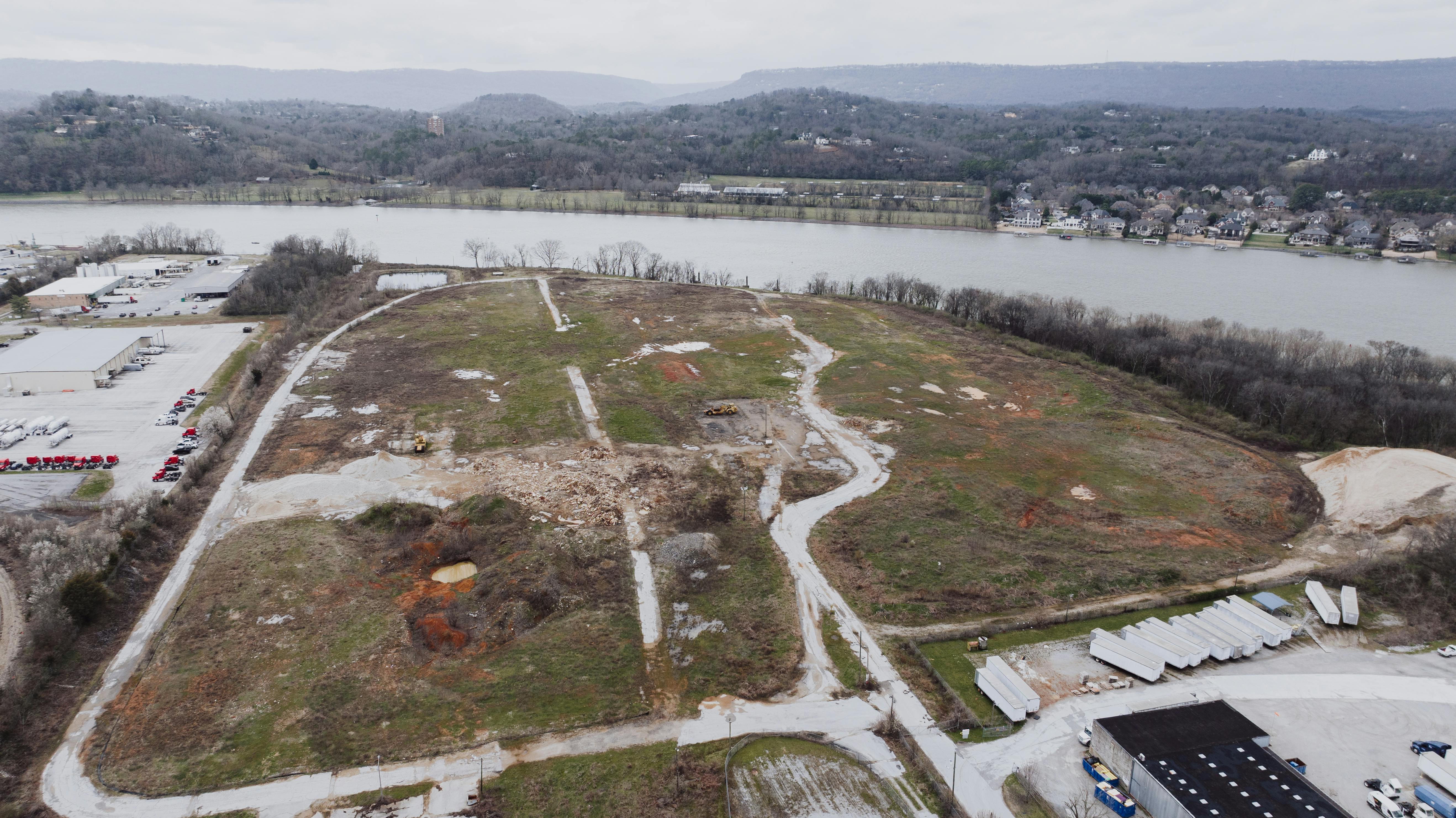
When a real-estate developer or investor embarks on a new project, the first step that often determines the feasibility and timeline is the environmental review. A Phase”?1 Environmental Assessment (often called a Phase”?1 Environmental Site Assessment or ESA) is the industry-standard process used to identify potential or existing environmental contamination on a property before any transaction or construction begins. By systematically evaluating historical land use, regulatory records, and site conditions, this assessment helps stakeholders understand risks, comply with regulations, and make informed decisions about acquisition, financing, and development.
What Is a Phase”?1 Environmental Assessment?
A Phase”?1 Environmental Assessment is a comprehensive, non-intrusive investigation that follows the standards set by the American Society for Testing and Materials (ASTM) E1527-21. Its primary purpose is to determine whether recognized environmental conditions (RECs) exist on a property. The assessment typically includes:
- Review of historical aerial photographs, topographic maps, and land-use records.
- Examination of federal, state, and local regulatory databases for past violations or permits.
- On-site walk-through to identify visible signs of contamination, such as stained soils, distressed vegetation, or storage tanks.
- Interviews with current and former owners, occupants, and local officials.
Key Components of a Phase”?1 Report
Historical Research
Understanding a property’s past is essential because many contaminants persist long after the original activity has ceased. Researchers compile data from:
- Sanborn fire insurance maps.
- County land-record archives.
- Environmental databases such as the EPA’s Facility Registry Service.
Regulatory Review
Compliance checks involve searching for:
- Hazardous waste permits.
- Superfund site listings.
- State-specific environmental citations.
Site Inspection
The on-site walk-through is a visual assessment that looks for:
- Improperly stored chemicals.
- Evidence of leaking underground storage tanks.
- Signs of soil erosion or unusual odors.
Report Findings
The final document presents findings in a clear, organized format, typically including:
- Executive summary.
- Detailed discussion of each investigative component.
- Identification of any RECs.
- Recommendations for further action, such as a Phase”?2 investigation or risk-mitigation measures.
Why a Phase”?1 Assessment Matters for Real Estate Projects
Investors and lenders rely on the results to gauge financial exposure and regulatory liability. The assessment can:
- Facilitate smoother financing by satisfying lender due-diligence requirements.
- Protect against unexpected remediation costs that could jeopardize project budgets.
- Enable compliance with state and federal disclosure laws, reducing the risk of litigation.
- Support negotiation of purchase price adjustments or indemnity clauses.
Integrating Phase”?1 Assessments into Project Planning
Effective project planning incorporates the Phase”?1 assessment early in the due-diligence timeline. A typical workflow might look like this:
- Pre-Acquisition Screening: Conduct a preliminary review of publicly available data to flag high-risk sites.
- Engage a Qualified Environmental Professional (QEP): Ensure the assessor holds the appropriate credentials and follows ASTM standards.
- Perform the Phase”?1 Assessment: Execute the full scope of research, inspection, and reporting.
- Analyze Results: If RECs are identified, decide whether to proceed, renegotiate, or request a Phase”?2 investigation.
- Document and Archive: Retain the report for future reference, especially for loan documents and regulatory filings.
When to Move Beyond Phase”?1: The Role of Phase”?2 Investigations
If the Phase”?1 report uncovers potential contamination, a Phase”?2 Environmental Investigation becomes necessary. This next step involves:
- Sampling of soil, groundwater, and building materials.
- Laboratory analysis to quantify contaminant levels.
- Risk assessment to determine the need for remediation.
Choosing the right time to transition to Phase”?2 can save both time and money, preventing costly delays later in the development schedule.
Best Practices for a Successful Phase”?1 Assessment
- Use Experienced Professionals: Qualified Environmental Professionals bring expertise in interpreting complex data sets and navigating regulatory nuances.
- Maintain Clear Communication: Keep all stakeholders, investors, lenders, legal counsel, updated on findings and recommendations.
- Document All Sources: Accurate citation of records and interviews strengthens the credibility of the report.
- Plan for Contingencies: Incorporate potential remediation costs into the financial model early on.
Resources for Further Reading
For a deeper dive into the standards and expectations surrounding environmental due diligence, explore the detailed guidance offered on phase 1 environmental assessments. Additionally, the discussion around the nuances of phase one environmental services provides valuable insight into how these evaluations fit within broader project risk management strategies.
About the Author