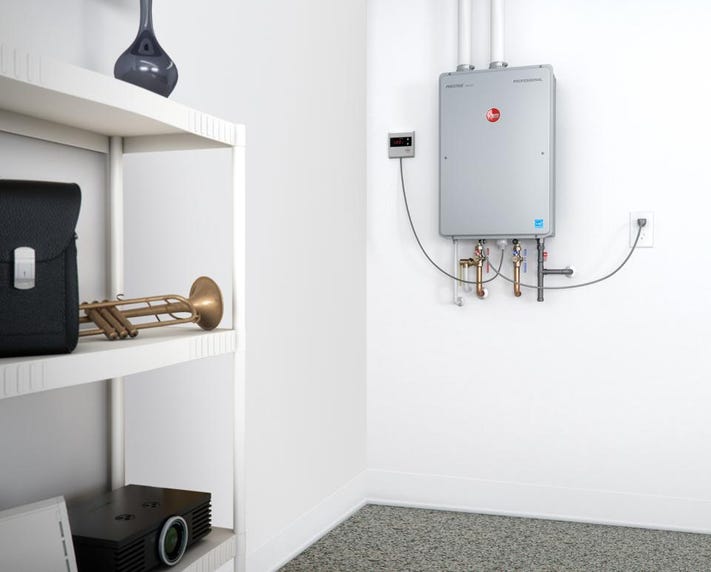
In the quest for energy efficiency and cost savings, homeowners are increasingly turning to innovative solutions for their domestic needs. One such solution gaining popularity is the tankless water heater. Unlike traditional water heaters that store hot water in a tank, tankless models heat water on demand, resulting in a number of potential advantages. This article explores the cost-saving benefits of tankless water heaters, discussing how they can contribute to long-term financial savings, environmental benefits, and overall efficiency.
How Tankless Water Heaters Work
Understanding how tankless water heaters operate is essential to appreciating their cost-saving benefits. These systems heat water directly without the use of a storage tank. When a hot water tap is turned on, cold water travels through a pipe into the unit, where a gas burner or electric element heats the water. As a result, tankless water heaters deliver a constant supply of hot water.
Economic Advantages of Tankless Water Heaters
Investing in a tankless water heater can lead to significant economic advantages, including:
- Energy Efficiency: Tankless water heaters are known for their high energy efficiency. According to the U.S. Department of Energy, they can be 24% to 34% more energy-efficient than conventional storage tank water heaters for homes that use 41 gallons or less of hot water daily.
- Lower Utility Bills: By only heating water as needed, tankless systems reduce energy consumption, which can lead to lower utility bills. Although the initial cost of a tankless system is higher, the savings on energy expenses can offset this over time.
- Longer Lifespan: Tankless water heaters often have a longer lifespan compared to traditional tank heaters. While traditional units typically last 10-15 years, tankless options can last up to 20 years or more, reducing replacement costs.
Environmental Impact
Beyond financial savings, tankless water heaters also offer environmental benefits:
- Reduced Carbon Footprint: By using less energy, tankless water heaters contribute to a reduction in carbon emissions, making them a more environmentally friendly choice.
- Conservation of Resources: The on-demand nature of tankless water heaters means less energy is wasted heating water that isn’t used, conserving energy resources.
Considerations Before Installation
While the benefits of tankless water heaters are considerable, there are important considerations to keep in mind:
- Initial Investment: The upfront cost of a tankless water heater is higher than that of a traditional water heater. However, the long-term savings on energy bills often justify this initial expense.
- Installation Requirements: The installation of a tankless system can be more complex, requiring professional expertise to ensure optimal performance and safety.
- Water Usage Patterns: Homes with high water usage may need multiple units to ensure a consistent supply of hot water, which can influence the overall cost and installation process.
Conclusion
Transitioning to a tankless water heater can offer substantial cost savings, increased energy efficiency, and environmental benefits. While there are considerations to address, the potential advantages make tankless systems a compelling choice for homeowners seeking long-term efficiency and savings. As water heating technology continues to evolve, tankless water heaters stand out as a progressive solution for modern homes, aligning with both economic and environmental goals.
About the Author




